

We're living through a weird moment in content creation. AI tools have made it possible to publish hundreds of articles in the time it used to take to write one. But here's the thing: search engines have gotten smarter too.
If you're managing a WordPress site and thinking about scaling up your content production, you've probably noticed the tension. Your team wants to publish more. Your boss wants better rankings. And Google? Well, Google wants content that actually helps people.
The State of AI-Powered Content at Scale

AI has fundamentally changed how teams approach bulk content. Tools like Claude and GPT-4 can draft articles in minutes. WordPress plugins now integrate directly with these systems, letting you generate and publish at scale.
But the real shift isn't just about speed. It's about how search engines evaluate this content. They're looking for signals that humans were involved in the process, that expertise shaped the final product, and that readers actually benefit from what you published.
Why Quality Still Trumps Quantity in 2026
Google's algorithm updates have consistently moved in one direction: rewarding content that demonstrates genuine expertise and penalizing thin, templated material. The Helpful Content system specifically targets sites that prioritize search rankings over reader value.

This doesn't mean you can't produce bulk content. It means you need systems that maintain quality at scale. The teams winning in 2026 aren't choosing between volume and quality; they're building workflows that deliver both.
Strategic Planning: Before You Start Batch Writing
Most bulk content failures happen before a single word gets written. Teams jump straight into production without establishing the frameworks that make quality scalable.
Practice 1: Develop a Content Quality Framework
You need measurable standards. Not vague goals like "high quality" but specific benchmarks every piece must meet. Create a scoring rubric that covers readability, factual accuracy, unique insights, and user value.
Your framework should include minimum word counts for different content types, required elements like examples or data points, and clear criteria for what makes content publishable versus what needs revision.
Practice 2: Map Content Clusters and Topic Authority
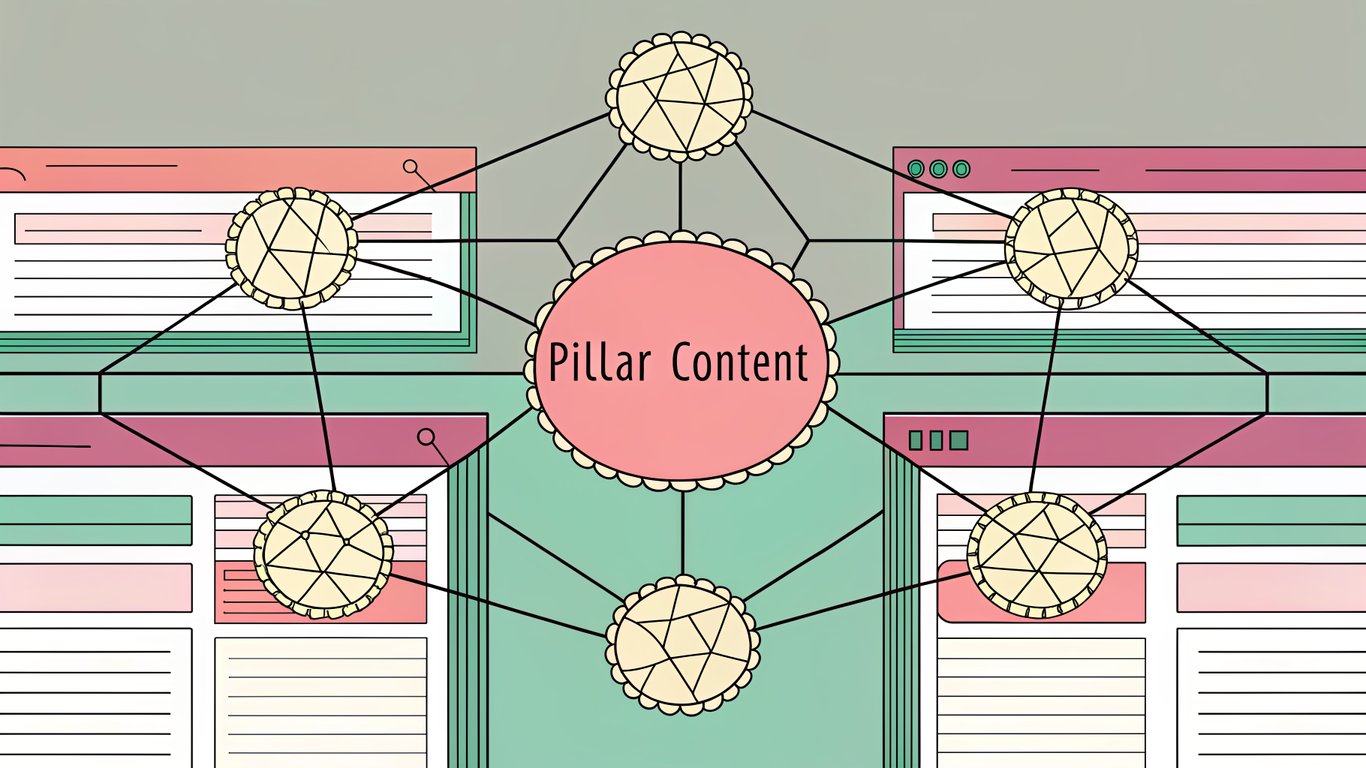
Random articles don't build authority. You need interconnected content clusters that demonstrate depth on specific topics. Before batch writing, map out how each piece connects to others in your content ecosystem.
Think of it like building a knowledge base rather than a blog. Each cluster should have pillar content supported by detailed subtopic articles. This structure helps search engines understand your expertise and gives readers clear pathways through your content clusters.
Practice 3: Establish Clear Editorial Guidelines for AI-Assisted Writing
Set boundaries for AI usage upfront. Define which parts of the process AI handles (research, outlining, first drafts) and where humans must intervene (fact-checking, adding expertise, final editing).
Document specific prompts and instructions that maintain your brand voice. Include examples of acceptable versus unacceptable AI output. Make it clear that AI is a tool for efficiency, not a replacement for editorial judgment.
Template Development: Building Scalable Content Frameworks

Templates get a bad reputation because most people use them wrong. A good template isn't a fill-in-the-blank form; it's a flexible framework that guides structure while allowing for unique content.
Practice 4: Design Modular Content Templates
Build templates with interchangeable sections. Instead of one rigid structure, create modules that can be mixed and matched based on the specific topic. You might have modules for case studies, data analysis, expert quotes, or step-by-step instructions.
This modular approach prevents the cookie-cutter feel that hurts bulk content. Two articles using the same template can have completely different structures if they're pulling from different module combinations.
Practice 5: Build Template Variations for Different Content Types
Don't force every article into the same format. Develop specialized templates for how-to guides, comparison articles, listicles, and thought leadership pieces. Each content type serves different search intent and requires different structural elements.
Your how-to template might emphasize sequential steps and visual aids. Your comparison template needs structured evaluation criteria. Matching template to content type improves both user experience and search performance.
Practice 6: Incorporate SEO Elements into Template Structure
Embed on-page SEO best practices directly into your templates. Include placeholders for title tags, meta descriptions, header hierarchy, and internal linking opportunities. Make SEO optimization automatic rather than an afterthought.
Your templates should prompt writers to include semantic keywords naturally, add alt text for images, and structure content for featured snippets. When SEO elements are built into the template, they don't get forgotten during bulk production.
Batch Writing Workflows: Efficient Production Without Corners Cut
The actual writing process is where most teams either maintain quality or lose it. Your workflow determines which direction you go.
Practice 7: Implement a Staged Production Pipeline
Break bulk content creation into distinct phases: research, outlining, drafting, enhancement, and review. Don't try to do everything at once. Batch similar tasks together for efficiency.
You might spend one day researching and outlining 20 articles, another day drafting them, and a third day on enhancement and editing. This assembly-line approach maintains quality while maximizing efficiency. Each phase gets your full attention rather than fragmenting focus across multiple tasks.
Practice 8: Use AI for Research and Outlining, Humans for Refinement
AI excels at gathering information and creating initial structures. Let it handle the heavy lifting of research compilation and outline generation. But humans need to add the expertise, unique perspectives, and real-world examples that make content valuable.
A good workflow might look like this: AI generates a research summary and outline, a subject matter expert reviews and adds insights, AI creates a first draft, and a human editor refines for voice, accuracy, and reader value. Each step plays to different strengths.
Practice 9: Schedule Batch Sessions with Quality Breaks
You can't maintain quality through eight straight hours of content production. Schedule focused batch sessions with built-in breaks. Maybe you write for 90 minutes, take a 15-minute break, then review what you've created with fresh eyes.
Quality degrades when you're tired or rushing. Build your production schedule around sustainable work patterns rather than maximum output. You'll probably produce more usable content with strategic breaks than grinding through fatigue.
Practice 10: Maintain Unique Angles and Perspectives Across Batches
Every piece in your bulk content batch needs a distinct angle. Before writing, identify what makes each article different from others on the same topic. Maybe it's a specific use case, a contrarian viewpoint, or a unique data set.
Create a simple checklist: What's the unique value proposition of this article? What will readers learn here that they won't find elsewhere? If you can't answer these questions, the article isn't ready for production.
Quality Assurance: Multi-Layer Review Systems for Bulk Content
QA is where responsible bulk content production separates itself from content farms. You need systematic checks that catch issues before publication.
Practice 11: Implement Automated Pre-Publishing Checks
Use tools to scan for common issues at scale. Plugins like Yoast SEO can check readability and basic optimization. Grammarly catches grammar and clarity issues. Plagiarism checkers ensure originality.
Set minimum thresholds for automated checks. Maybe every article needs a readability score above a certain level, zero plagiarism flags, and proper header structure. Automated checks handle the technical basics so human reviewers can focus on content quality.
Practice 12: Establish a Tiered Human Review Process
Not every article needs the same level of review. Create tiers based on topic complexity and potential impact. High-stakes content about technical topics gets thorough expert review. Straightforward informational content might need lighter editorial oversight.
Your review process might include a quick editorial scan for all content, subject matter expert review for technical pieces, and legal review for anything touching regulated topics. Tiered review lets you scale QA without bottlenecking production.
Practice 13: Run Fact-Checking and Accuracy Audits
AI-generated content can confidently state incorrect information. Build systematic fact-checking into your workflow. Assign someone to verify statistics, check sources, and confirm that product features or capabilities mentioned are accurate.
Create a fact-checking template that reviewers use for every article. It should prompt them to verify specific claims, check that links go to authoritative sources, and confirm that any data cited is current and correctly attributed.
WordPress-Specific Optimization for Bulk Publishing
WordPress handles bulk content differently than publishing one article at a time. You need to optimize your technical setup for high-volume publishing.
Practice 14: Optimize Bulk Upload and Scheduling Strategies
Don't publish 50 articles simultaneously. Stagger your publishing schedule to avoid overwhelming your server and giving search engines time to crawl and index each piece. Use WordPress's built-in scheduling or plugins that handle bulk scheduling.
Consider publishing patterns that match your audience's behavior. Maybe you schedule articles to go live during peak traffic hours or spread them across the week to maintain consistent publishing frequency. Strategic scheduling improves both technical performance and user experience.
Practice 15: Monitor Site Performance and Index Health
Watch your site's technical metrics closely when publishing bulk content. Monitor page load times, server response, and crawl budget usage in Google Search Console. Large content batches can strain hosting resources or trigger indexing issues.
Set up alerts for sudden drops in indexed pages or spikes in crawl errors. If you notice problems, pause publishing until you've identified and fixed the issue. It's better to delay your content calendar than to damage your site's search performance.
Measuring Success: KPIs and Continuous Improvement
You can't improve what you don't measure. Track specific metrics that indicate whether your bulk content strategy is working.
Key Metrics for Bulk Content Quality Assessment
Look beyond vanity metrics. Track engagement rates like time on page and scroll depth. Monitor search rankings for target keywords. Measure conversion rates if your content has specific goals.
Compare performance between bulk content and individually crafted articles. If there's a significant quality gap, your bulk production process needs refinement. The goal is parity or better, not just acceptable performance.
A/B Testing Templates and Approaches at Scale
Test different templates, content structures, and production workflows systematically. Maybe you try two different outline approaches for the same topic type and measure which performs better. Use those insights to refine your templates.
Document what works and what doesn't. Build a knowledge base of best practices specific to your audience and niche. Over time, you'll develop production systems optimized for your specific needs rather than generic best practices.
Building Feedback Loops for Ongoing Refinement
Create systems that capture learnings from each content batch. Hold retrospectives after major publishing pushes. What went well? What caused bottlenecks? Where did quality slip?
Use reader feedback and performance data to inform future batches. If certain topics or formats consistently outperform others, adjust your content mix. If specific quality issues keep appearing, strengthen that part of your QA process.
Sustainable Bulk Content Production for 2026 and Beyond
The teams succeeding with bulk content in 2026 aren't cutting corners. They're building sophisticated systems that maintain quality while achieving scale. It requires upfront investment in frameworks, templates, and workflows, but the payoff is sustainable content production that actually ranks and converts.
The Responsible Path Forward
Responsible bulk content production means treating AI as a productivity tool, not a replacement for expertise. It means building quality checks into every stage of production. It means being willing to slow down or pause when quality starts slipping.
The alternative is publishing content that doesn't rank, doesn't engage readers, and ultimately wastes resources. Quality at scale is harder than quantity at scale, but it's the only approach that works long-term.
Action Steps to Implement Today
Start with these immediate actions:
- Document your current content quality standards and identify gaps
- Map out content clusters for your next quarter of publishing
- Create or refine one modular content template
- Set up automated quality checks in your WordPress workflow
- Establish a tiered review process based on content complexity
- Schedule your next content batch with strategic publishing dates
- Define the key metrics you'll track for bulk content performance
You don't need to implement all 15 practices simultaneously. Pick three that address your biggest current challenges and build from there. Sustainable improvement beats trying to overhaul everything at once.