
Featured snippets have fundamentally changed how people interact with search results. Instead of clicking through multiple pages, users now get immediate answers right at the top of Google. And if you're not optimizing for these coveted position zero spots, you're leaving traffic on the table.
The stakes are higher than ever. Pages that capture featured snippets typically see significant increases in click-through rates, even when they're not ranking in the traditional first position. But here's the thing: snippet optimization isn't about gaming the system. It's about structuring your content in ways that genuinely help both search engines and humans understand your expertise.
The Current State of Featured Snippets
Featured snippets appear for a substantial portion of search queries, particularly those with informational intent. These snippets pull content directly from web pages and display it prominently above organic results. The three main types you'll encounter are paragraph snippets (answering direct questions), list snippets (showing steps or rankings), and table snippets (comparing data or features).
What's changed recently is how Google's algorithms have become more sophisticated at understanding context and user intent. The search engine doesn't just look for keyword matches anymore. It evaluates content structure, semantic relationships, and whether your page actually delivers on what the searcher needs.
Understanding the Three Primary Snippet Types
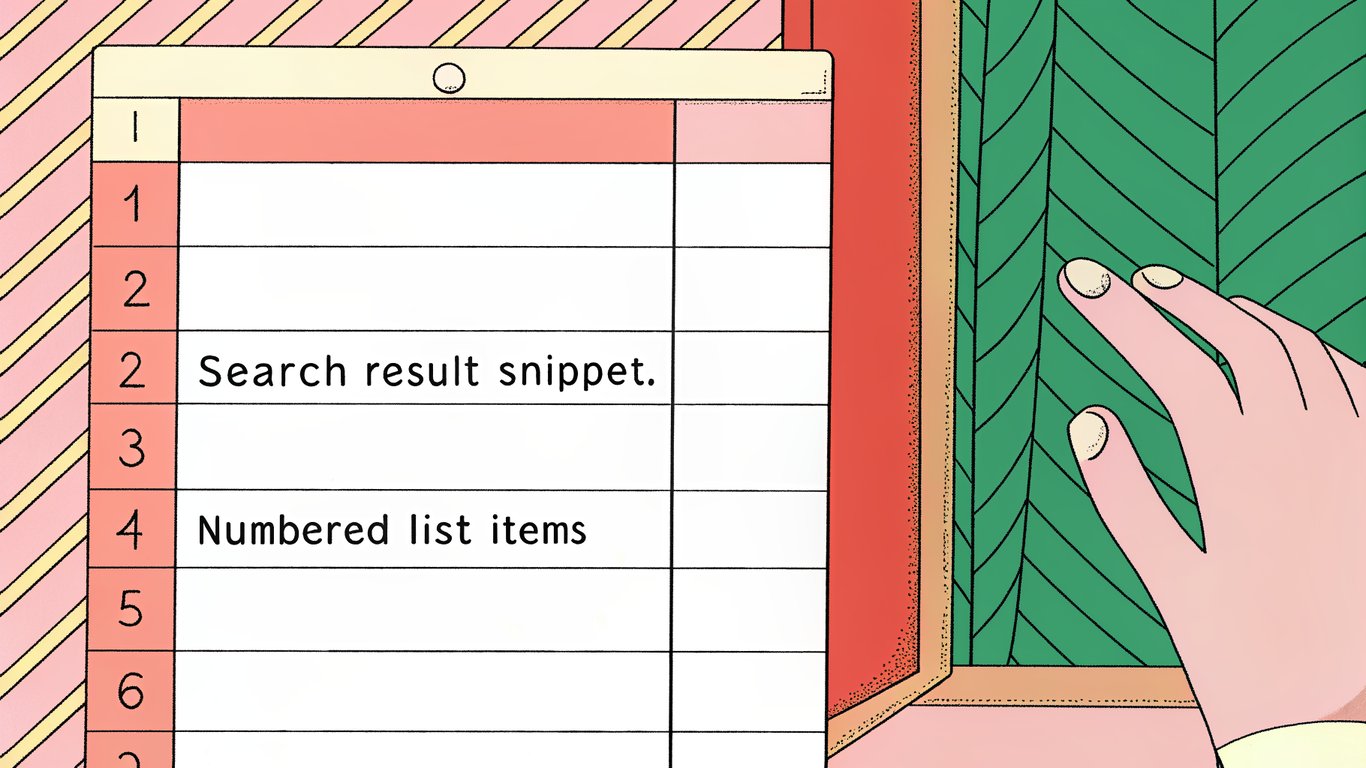
Paragraph snippets typically answer definition queries or direct questions. They pull 40-60 words from your content that provide a concise, complete answer. List snippets display numbered or bulleted items, perfect for how-to guides, rankings, or itemized information. Table snippets show structured data in rows and columns, ideal for comparisons, pricing, or specifications.
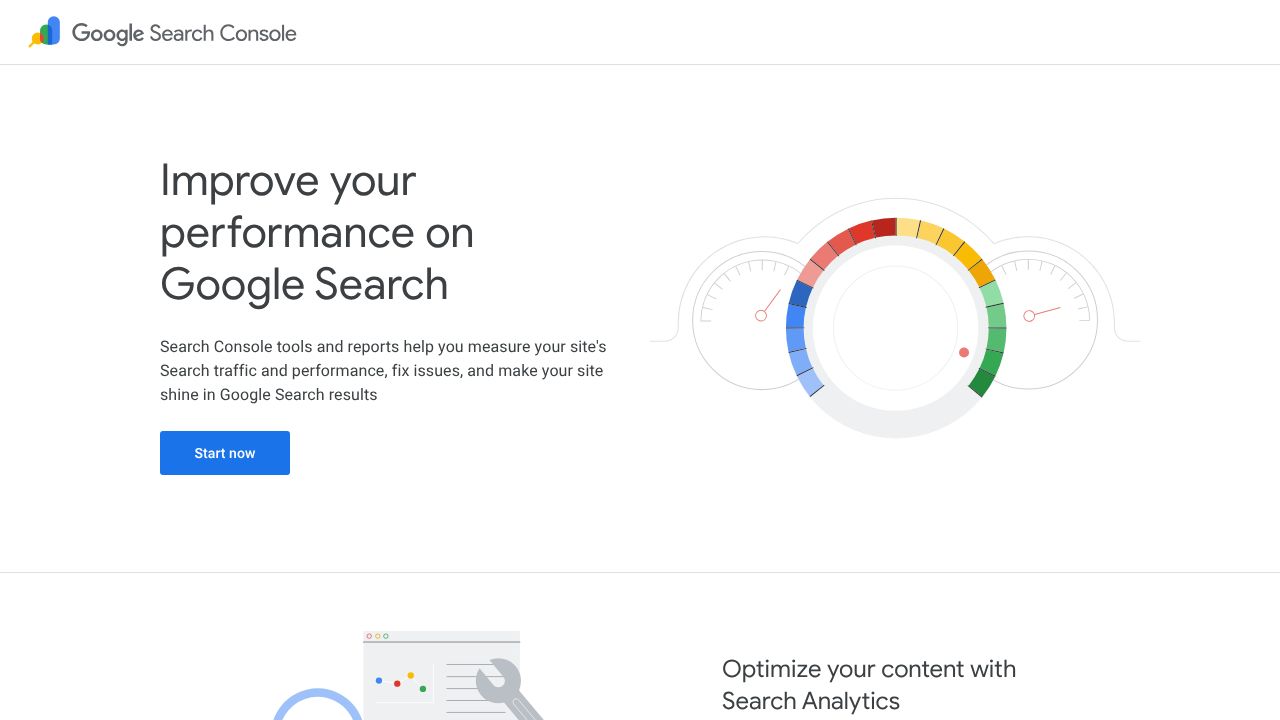
Each type requires different optimization tactics. You can't just write great content and hope Google picks it up. You need to deliberately structure your headings, format your lists, and organize your tables in ways that signal to search engines exactly what type of snippet your content should trigger.
Pre-Optimization: Identifying Snippet Opportunities
Before you start rewriting content, you need a strategic framework. Random optimization wastes time. Smart snippet optimization starts with identifying which pages have the highest potential for capturing featured snippets.
Tip #1: Audit Your Current Snippet Performance
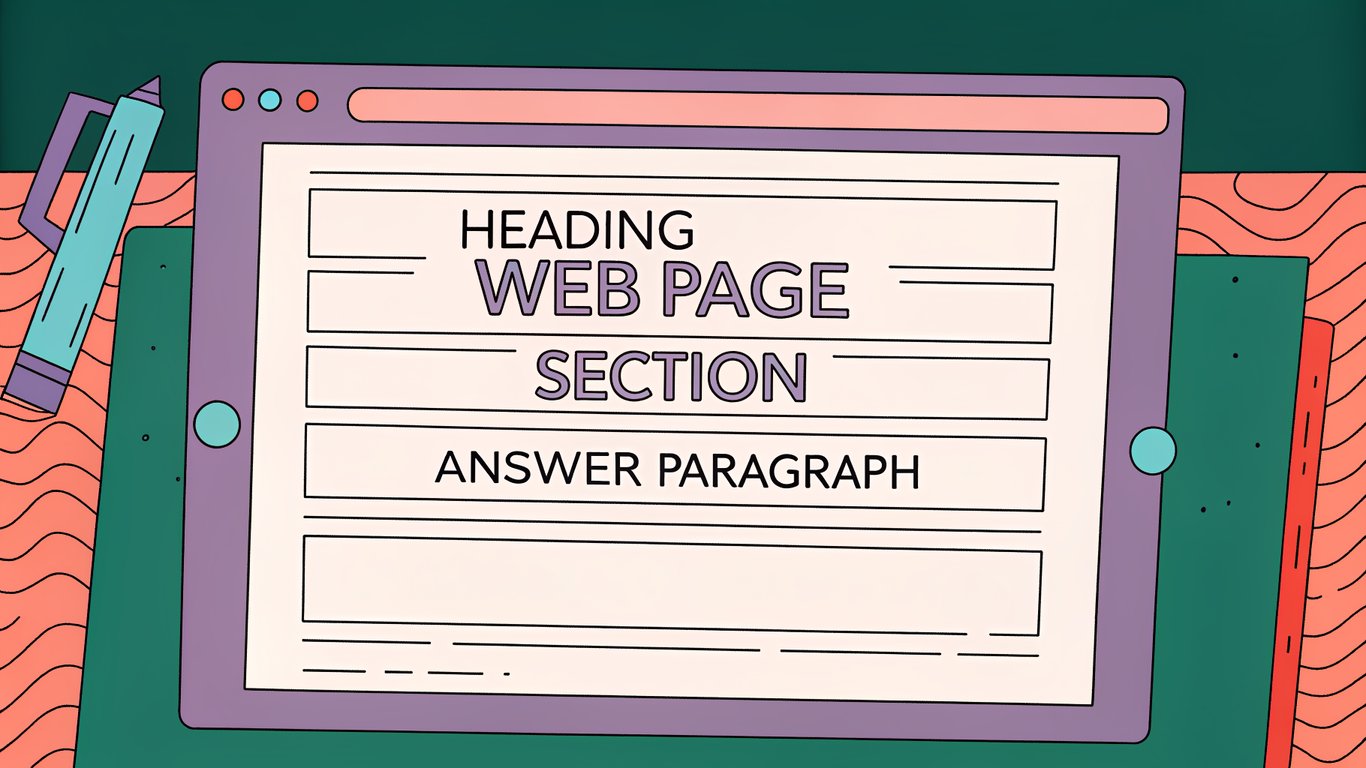
Start by checking Google Search Console to see which pages already trigger snippets. Look at your Search Appearance data and filter for featured snippets. You'll probably find some surprises. Pages ranking in positions 2-5 often have the best opportunity for snippet capture because they're already considered relevant by Google.
Tools like Ahrefs and SEMrush can show you which keywords in your niche trigger featured snippets and whether you're ranking for them. Focus on queries where you're close but not quite there yet.
Tip #2: Analyze Competitor Snippet Wins
Search for your target keywords and study the pages that currently own the featured snippets. What format are they using? How are their headings structured? What's the word count of their answer paragraphs? You're not copying them, you're understanding what Google considers snippet-worthy for that specific query.
Pay attention to patterns. If most snippets in your niche use numbered lists with 5-7 items, that's probably what works. If they're using comparison tables with specific column headers, take note of that structure.
Tip #3: Map Keywords to Snippet Intent
Different query types naturally align with different snippet formats. Questions starting with "what is" or "who is" typically trigger paragraph snippets. Queries with "how to" or "ways to" usually get list snippets. Searches including "vs" or "comparison" often show table snippets.
Create a spreadsheet mapping your target keywords to their likely snippet type. This helps you plan content structure before you write, rather than trying to retrofit existing content later.
Optimizing for Paragraph Snippets: Definition and Answer-Based Content
Paragraph snippets are probably the most common type you'll encounter. They work best for direct questions and definition queries. The key is providing a complete, standalone answer that makes sense even without the surrounding context.
Tip #4: Structure Headings as Questions
Format your H2 and H3 headings to match how people actually search. Instead of "Snippet Optimization Benefits," use "What Are the Benefits of Snippet Optimization?" This direct question format signals to Google that the content below provides an answer.
Don't force every heading into a question if it feels unnatural. But for sections where you're genuinely answering a common query, the question format works remarkably well. It also improves readability because readers can quickly scan to find the exact question they're asking.
Tip #5: Craft Concise Answer Paragraphs
Immediately after your question heading, provide a 40-60 word paragraph that completely answers the question. This is your snippet target zone. Make it self-contained. Someone should be able to read just that paragraph and understand the answer without needing additional context.
After your concise answer, you can expand with additional details, examples, and nuance. But that first paragraph needs to stand alone. Think of it as writing a mini-article within your article.
Tip #6: Use Definition Patterns and Schema
Start definition answers with clear patterns like "X is..." or "X refers to..." These linguistic signals help search engines identify definitive answers. For example: "Snippet optimization is the process of structuring content to increase the likelihood of appearing in Google's featured snippets."
Consider implementing FAQ schema markup for question-and-answer content. While schema doesn't guarantee snippet capture, it provides additional context that helps search engines understand your content structure.
Tip #7: Optimize Meta Descriptions for Paragraph Snippets
Your meta description won't become the featured snippet, but it reinforces your page's relevance for the query. Write meta descriptions that complement your snippet-optimized content by including the target keyword and a clear value proposition.
Keep meta descriptions between 150-160 characters. Make them compelling enough that even if someone sees your snippet, they still want to click through to read the full article.
Optimizing for List Snippets: Steps, Rankings, and Itemized Content
List snippets are perfect for procedural content, rankings, and any information that naturally breaks into discrete items. They're visually prominent in search results and tend to get strong engagement.
Tip #8: Format Lists with Proper HTML Structure
Use proper HTML list tags: <ol> for numbered lists and <ul> for bulleted lists. Don't just manually type numbers or bullet points. Search engines parse HTML structure, and proper tags signal that your content is a legitimate list.
Aim for 5-8 items in your lists. Too few items and Google might not consider it substantial enough. Too many and the snippet becomes unwieldy. If you have more than 8 items, consider breaking them into subcategories or creating a separate list.
Tip #9: Create Scannable List Item Headings
Each list item should work as both a standalone heading and part of the larger list. Use clear, descriptive language that includes relevant keywords naturally. Instead of vague items like "Improve your content," write "Write concise 40-60 word answer paragraphs."
You can format list items as H3 subheadings if they introduce longer sections. This gives you flexibility to provide detailed explanations while still maintaining the list structure that snippets require.
Tip #10: Add Supporting Context to Each List Item
Don't just list items without explanation. Add 1-2 sentences under each point that provide context, examples, or additional detail. This serves two purposes: it makes your content more valuable to readers, and it gives Google more context to understand what each list item means.
The supporting text doesn't appear in the snippet itself, but it helps Google determine whether your list is the best answer for the query.
Tip #11: Use 'How-to' and 'Best' Modifiers in Headings
Certain trigger words signal list-worthy content to search algorithms. Headings that include "how to," "ways to," "steps to," "best," "top," or "tips for" naturally align with list snippet formats. These modifiers match common search patterns and help Google understand your content intent.
But don't force these modifiers where they don't fit. Natural language always beats keyword stuffing. If your content genuinely provides a how-to guide or ranking, the modifier will fit naturally.
Optimizing for Table Snippets: Comparative and Data-Driven Content
Table snippets are the most technical to optimize but also the most visually distinctive in search results. They work exceptionally well for comparison queries, pricing information, and specifications.
Tip #12: Build Semantic HTML Tables
Use proper table structure with <table>, <thead>, <tbody>, and <th> tags. The <thead> section should contain your column headers, and <th> tags identify header cells. This semantic structure helps both accessibility tools and search engines understand your table organization.
Avoid using tables for layout purposes. Only use them for actual tabular data. Search engines can tell the difference, and improperly used tables hurt your snippet eligibility.
Tip #13: Design Tables for Comparison Queries
Structure your tables to answer comparison searches. If people search for "X vs Y," create a table with X and Y as column headers and features as row labels. If they search for "best X for Y," create a table comparing different options across relevant criteria.
Think about what information someone needs to make a decision. Price, features, pros, cons, and specifications are common comparison points. Your table should make it easy to scan and compare options at a glance.
Tip #14: Optimize Table Headers and Data Cells
Column headers should be clear and keyword-rich. Instead of vague headers like "Option 1" and "Option 2," use specific names or categories. Row labels should describe what's being compared in each row. Keep cell content concise but informative.
Avoid merging cells or creating complex nested structures. Simple, clean tables perform better for snippet capture. If your data is too complex for a simple table, consider breaking it into multiple tables or using a different format.
Tip #15: Implement Table Schema Markup
While there isn't a specific schema type for tables, you can use structured data to provide context about what your table contains. For product comparisons, use Product schema. For data sets, consider Dataset schema.
Schema markup helps search engines understand the meaning behind your data, not just the structure. It's an extra signal that your table provides valuable, organized information.
Cross-Snippet Optimization: Universal Best Practices
Some snippet optimization strategies apply regardless of which type you're targeting. These foundational practices improve your overall snippet eligibility.
Content Positioning and Hierarchy
Place your snippet-optimized content high on the page, typically within the first few sections. Google tends to pull snippets from content that appears early, probably because it's considered more important. Don't bury your best answers at the bottom of long articles.
Use a clear heading hierarchy. Your H1 should be your page title, H2s should be major sections, and H3s should be subsections. This logical structure helps search engines understand your content organization and identify snippet-worthy sections.
Keyword Placement in Headings and First Sentences
Include your target keyword in the heading and the first sentence of your answer. This signals relevance without over-optimization. Natural placement is key. If you're forcing keywords where they don't fit, you're doing it wrong.
Use semantic variations and related terms throughout your content. Google understands synonyms and context, so you don't need to repeat the exact keyword phrase constantly.
Mobile-First Formatting Considerations
Most searches happen on mobile devices, and Google uses mobile-first indexing. Make sure your snippet-optimized content displays properly on small screens. Tables should be responsive, lists should be easy to scan, and paragraphs shouldn't be too long.
Test your pages on actual mobile devices. What looks great on desktop might be unreadable on a phone. If users can't easily consume your content on mobile, Google probably won't feature it in snippets.
Page Authority and Technical SEO Foundations
Snippet optimization doesn't work in isolation. Your page needs solid technical SEO fundamentals. Fast loading speeds, clean code, proper internal linking, and quality backlinks all contribute to snippet eligibility.
Pages with higher domain authority and better backlink profiles have an advantage in snippet capture. If you're competing against established sites, you'll need both excellent content structure and strong technical SEO to win featured snippets.
Testing, Measuring, and Iterating Your Snippet Strategy
Snippet optimization isn't a one-time task. It requires ongoing testing, measurement, and refinement based on actual performance data.
Key Metrics to Track
Monitor your snippet win rate in Google Search Console. Track which pages capture snippets and for which queries. Watch your click-through rates for pages with snippets compared to those without. Even if you're in position zero, you still want people clicking through to your site.
Pay attention to impression share for snippet-triggering queries. If you're getting impressions but not clicks, your snippet might not be compelling enough, or users might be getting their answer without needing to visit your site.
A/B Testing Snippet Formats
Test different approaches to see what works best for your specific niche. Try varying your answer paragraph length, list item count, or table structure. Make one change at a time so you can identify what actually moves the needle.
Give each test enough time to gather meaningful data. Snippet rankings can fluctuate, so don't make conclusions based on a few days of data. Wait at least a few weeks to see consistent patterns.
Adapting to Algorithm Updates
Google's snippet preferences evolve. What worked last year might not work as well today. Stay current with SEO news and algorithm updates. Watch for changes in how snippets appear in your niche.
The integration of AI Overviews and other SERP features means the snippet landscape keeps changing. Your optimization strategy needs to be flexible enough to adapt to these shifts while maintaining focus on creating genuinely helpful content.
Common Snippet Optimization Mistakes to Avoid
Don't over-optimize to the point where your content becomes robotic or unnatural. Don't create content solely for snippets without considering the full user experience. Don't ignore the rest of your page just because you've optimized one section for snippets.
Avoid content-intent mismatches. If the search intent is transactional but you're providing informational content, you won't capture the snippet no matter how well you format it. Match your content type to what searchers actually want.
Your Snippet Optimization Action Plan
You've got 15 tactical tips for snippet optimization. Now you need a plan to actually implement them without getting overwhelmed.
Quick-Win Opportunities
Start with pages that already rank in positions 2-5 for snippet-triggering queries. These are your lowest-hanging fruit. Add question-format headings, create concise answer paragraphs, or properly format existing lists. Small changes to already-ranking content often produce fast results.
Focus on one snippet type at a time. Master paragraph snippets first, then move to lists, then tables. Trying to optimize for everything simultaneously spreads your efforts too thin.
Long-Term Snippet Strategy
Build snippet optimization into your content creation workflow from the start. When planning new articles, identify which snippet type makes sense for each section. Structure your outlines with snippet capture in mind.
Create a snippet optimization checklist specific to your site and niche. Not every tip will apply to every piece of content. Develop your own best practices based on what actually works for your audience and industry. Track your wins, learn from your losses, and keep refining your approach.