

You're publishing content regularly. Your posts are well-written. But your organic traffic isn't growing the way you expected.
The problem probably isn't your content quality. It's what you're not writing about.
According to Ahrefs research, 96.55% of all web pages get zero traffic from Google. The difference between sites that attract visitors and those that don't often comes down to strategic keyword coverage. When you have keyword gaps in your content, you're essentially leaving money on the table while your competitors scoop up traffic you could be getting.

The Hidden Cost of Content Gaps
Missing keyword coverage doesn't just mean lost traffic for individual queries. It weakens your entire topical authority in your niche.
When Google sees that competitors cover a topic comprehensively while you only address parts of it, they're more likely to rank those competitors higher. Even for keywords you do target. Search engines reward sites that demonstrate depth and breadth of knowledge across a topic area, not just isolated posts about random keywords.
What Are Keyword Gaps (And Why They Matter in 2026)
Keyword gaps come in two main flavors. First, there are gaps in your own content where you haven't created anything targeting specific search queries your audience is using. Second, there are competitive gaps where your competitors rank for valuable keywords but you don't show up at all.
Both types matter, but they require different approaches to fix. Your own content gaps might be easier to address since you're not fighting established competitors. Competitive gaps often represent bigger opportunities but require more strategic thinking to crack.
The Content Cluster Connection
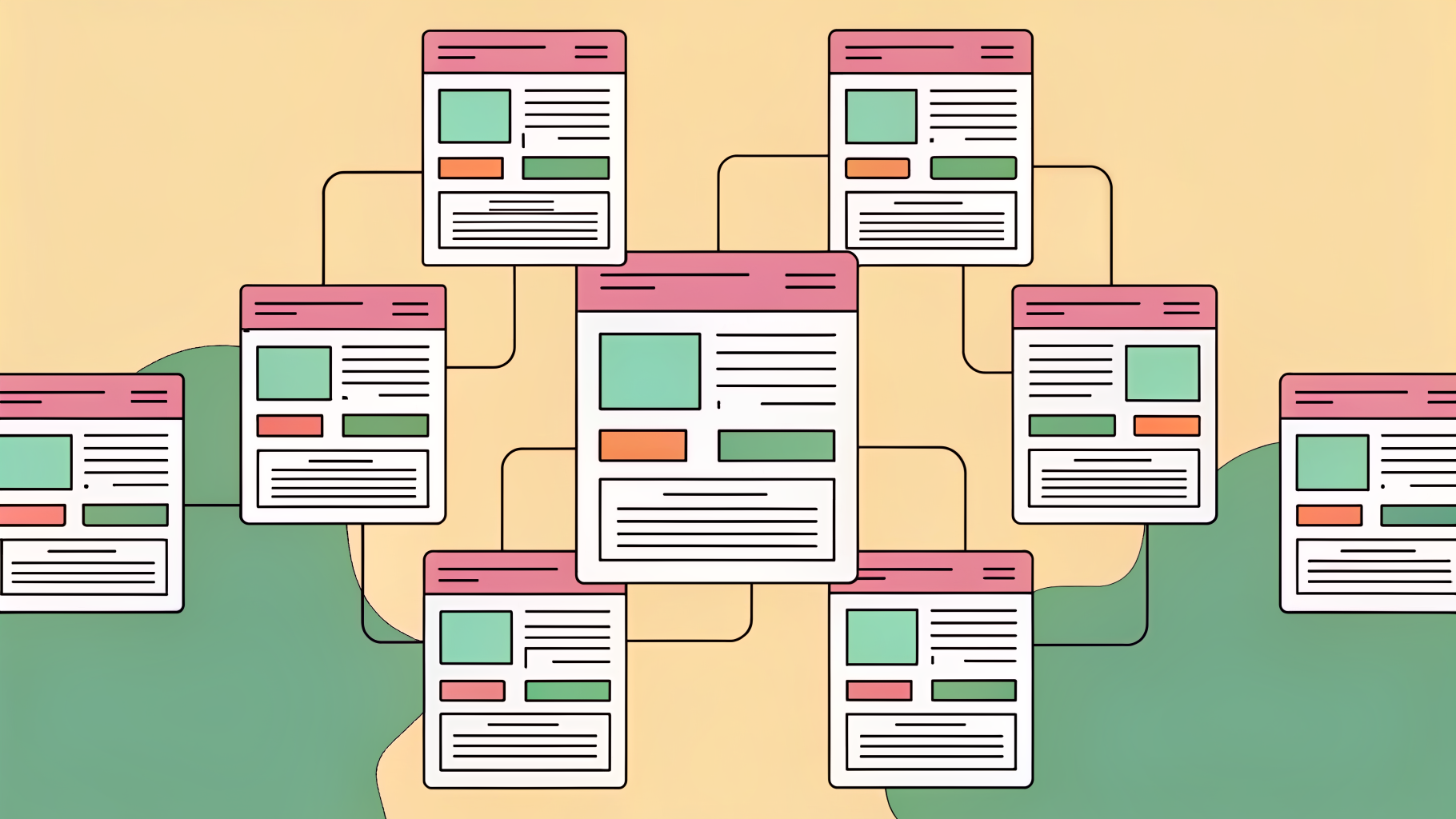
Keyword gaps don't exist in isolation. They're usually symptoms of incomplete topic clusters. When you build content around a pillar page with supporting cluster content, gaps in your keyword coverage reveal where your clusters are underdeveloped or missing entirely.
Filling these gaps strengthens your entire content ecosystem. Each new piece of cluster content you add reinforces your topical authority and creates more internal linking opportunities. This is why systematic gap analysis beats random content creation every time.
Step 1: Audit Your Existing Content Coverage
You can't identify gaps until you know what you already have. This means doing a complete inventory of your existing content and understanding what keywords each piece currently targets and ranks for.
Conducting a Complete Content Inventory
Start by cataloging every piece of content on your WordPress site. You can use Screaming Frog to crawl your site and export a list of all URLs, or use WordPress plugins that generate content inventories.
For each URL, you'll want to track the title, primary topic, target keyword (if you have one), word count, and publication date. This gives you a baseline understanding of your content landscape.
Mapping Your Current Keyword Rankings
Next, pull ranking data from Google Search Console. Export your queries report to see what keywords each page actually ranks for, not just what you intended to target.
You'll probably discover that many pages rank for keywords you never explicitly targeted. That's normal. But you'll also find pages that aren't ranking for much of anything, which helps identify weak spots in your coverage.
If you use tools like Ahrefs, SEMrush, or Moz, you can get more comprehensive ranking data including position tracking and search volume estimates.
Identifying Your Existing Topic Clusters
Look at your content structure to identify existing pillar pages and cluster content. Some topics probably have strong coverage with multiple supporting posts. Others might have just one or two pieces of content, or none at all.
This analysis reveals which topics you've invested in and which you've neglected. The neglected topics are often where your biggest keyword gaps hide.
Creating Your Content Coverage Matrix
Build a spreadsheet that maps URLs to target keywords, search intent, and cluster assignments. Include columns for current rankings, traffic, and any notes about content quality or update needs.
This matrix becomes your reference point for all future gap analysis. When you identify a keyword gap, you can quickly check whether you have existing content that could be expanded rather than creating something new.
Step 2: Identify Keyword Gaps Using Multiple Methods
There's no single perfect method for finding keyword gaps. The most effective approach combines several techniques to catch opportunities others might miss.
Competitive Keyword Gap Analysis
Tools like Ahrefs' Content Gap feature, SEMrush Gap Analysis, or Moz Keyword Gap let you compare your site against competitors to find keywords they rank for but you don't.
The trick is filtering for relevance. You'll get thousands of keywords, but many won't be relevant to your business or audience. Focus on keywords where multiple competitors rank, which suggests they're valuable and achievable.
Mining People Also Ask and Related Searches
Google's People Also Ask boxes and related searches are goldmines for question-based keywords. These represent real queries people are typing, which means they're proven search demand.
Search for your main topic keywords and document every PAA question that appears. Tools like AlsoAsked can automate this process and show you the full tree of related questions.
Search Intent Gap Analysis
Sometimes your gaps aren't about specific keywords but about missing content types. You might have great informational content but nothing addressing commercial or transactional intent.
Review your content inventory and categorize each piece by search intent: informational, navigational, commercial, or transactional. Gaps in any category represent opportunities to serve different stages of the buyer journey.
Internal Site Search Data Mining
If you have site search enabled in WordPress, analyze what visitors are searching for. These queries tell you exactly what people want but can't find on your site.
Searches that return zero results are especially valuable. They're direct evidence of content gaps your actual audience cares about.
Keyword Clustering to Reveal Coverage Gaps
Keyword clustering groups related keywords together based on search intent and SERP similarity. When you cluster your target keywords, you'll often discover entire groups you haven't addressed.
You can do this manually by analyzing SERPs, or use tools that automate the process. The goal is to identify keyword groups that deserve their own dedicated content.
Step 3: Prioritize Keyword Gaps for Maximum Impact
You've probably identified hundreds or thousands of keyword gaps by now. You can't address them all at once, so you need a framework for deciding which ones to tackle first.
The Gap Prioritization Framework
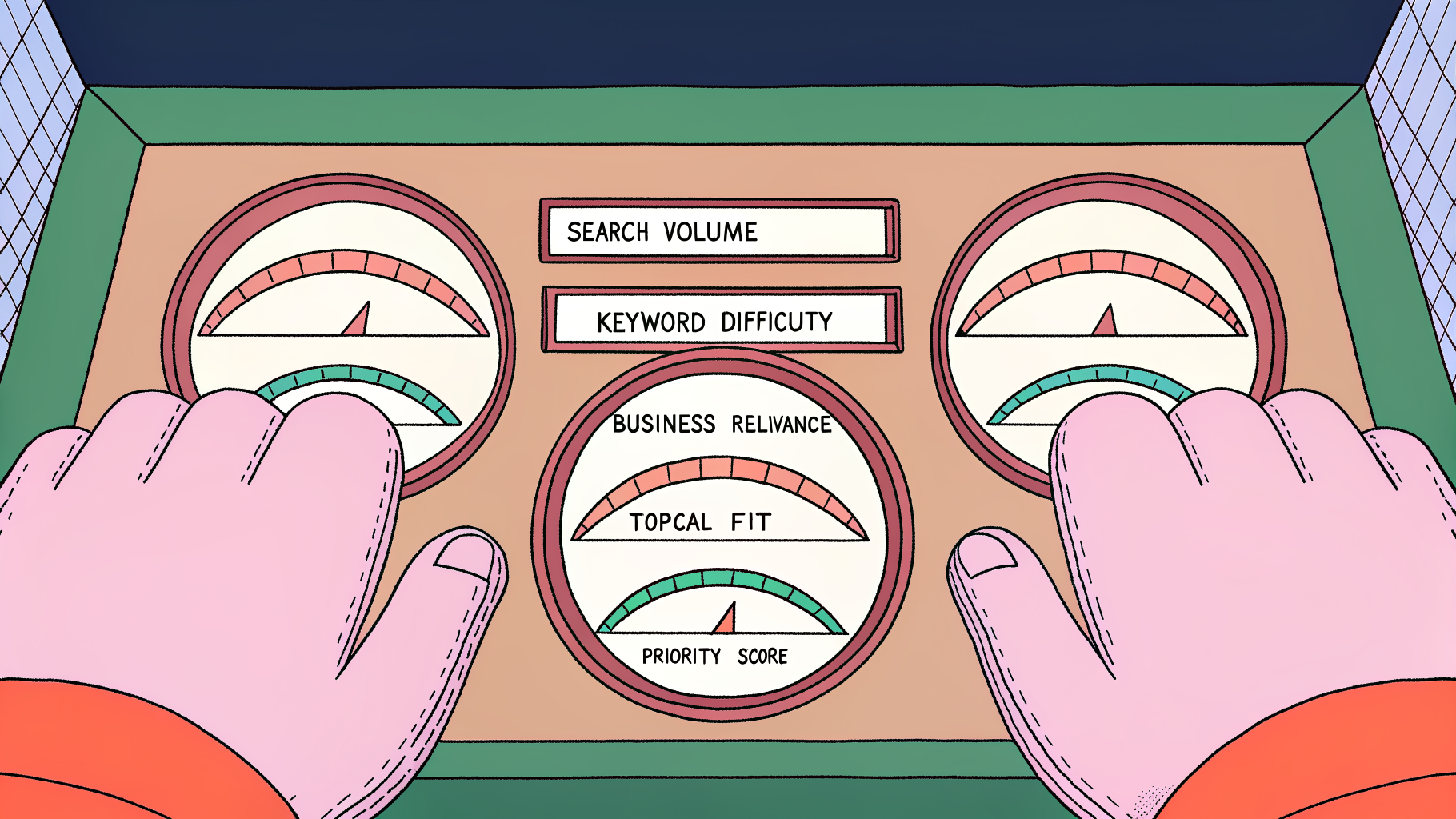
Create a scoring system based on four factors: search volume, keyword difficulty, business relevance, and topical fit. Assign each gap a score from 1-10 for each factor, then calculate a total priority score.
Search volume tells you potential traffic. Keyword difficulty indicates how hard it'll be to rank. Business relevance measures how valuable that traffic would be. Topical fit shows how well it aligns with your existing content clusters.
Quick Wins vs. Long-Term Plays
Look for low-hanging fruit: keywords with decent search volume but low competition. These quick wins can generate traffic relatively fast and build momentum for your content strategy.
But don't ignore strategic gaps that build topical authority over time. Sometimes targeting a difficult keyword makes sense because it strengthens your entire cluster and helps you rank for related terms.
Aligning Gaps with Business Goals
Filter your keyword gaps through the lens of conversion potential and audience alignment. A keyword with massive search volume doesn't matter if those searchers will never become customers.
Focus on gaps that attract your ideal audience and support your content marketing objectives, whether that's lead generation, product sales, or brand awareness.
Step 4: Convert Gaps into Targeted Content Posts
Once you've prioritized your gaps, it's time to create content that fills them. This isn't about churning out thin posts just to check boxes. It's about creating genuinely useful content that deserves to rank.
Determining the Right Content Format
Match your keyword gaps to appropriate content types based on search intent and what's currently ranking. If the SERP shows mostly how-to guides, don't create a product comparison. If it's dominated by listicles, a long-form tutorial probably won't work.
Common formats include blog posts, step-by-step guides, tutorials, comparison pages, and resource lists. The format should serve the searcher's intent, not your preference.
Creating SEO-Optimized Content Briefs
Build comprehensive content briefs before writing. Include the target keyword, related keywords to incorporate naturally, outline structure based on SERP analysis, and key points to cover based on what's ranking.
Your brief should also note any unique angles or information you can add that competitors haven't covered. That's what makes your content worth ranking above theirs.
Keyword Mapping for Gap-Filling Content
Assign primary and secondary keywords to each new piece of content. Make sure you're not creating keyword cannibalization issues with existing pages.
If you already have a page targeting a similar keyword, consider updating that page instead of creating new content. Strengthening existing pages is often more effective than adding new ones.
WordPress Publishing Best Practices
When publishing gap-filling content in WordPress, optimize your URL structure to include the target keyword. Write compelling meta titles and descriptions. Add appropriate schema markup if relevant.
Most importantly, plan your internal linking strategy before you publish. Link to relevant pillar pages and cluster content, and update those pages to link back to your new content.
Step 5: Expand Existing Clusters with Gap Keywords
Not every keyword gap requires brand new content. Sometimes the smarter move is expanding existing topic clusters to incorporate newly discovered keywords.
Cluster Expansion vs. New Content Creation
Ask yourself: does this gap keyword fit naturally into an existing pillar page or cluster post? If yes, updating that content might be more effective than creating something new.
Create new content when the keyword represents a distinct subtopic that deserves its own dedicated page. Expand existing content when the keyword is closely related to what you've already covered.
Updating Pillar Pages to Cover Gaps
When you expand pillar content, add new sections that address gap keywords while maintaining content coherence. Don't just stuff keywords in. Make sure the additions genuinely improve the page for readers.
After updating, republish with a new date and promote the updated content. Google tends to reward fresh, comprehensive content that covers topics thoroughly.
Creating Supporting Cluster Content
Build new cluster posts that target specific gap keywords while linking back to your pillar pages. Each cluster post should dive deeper into a subtopic that the pillar page only touches on.
This approach strengthens your topical authority by demonstrating comprehensive coverage of a subject area. It also creates more entry points for organic traffic.
Internal Linking Strategy for Cluster Expansion
Implement strategic internal links between new gap-filling content and existing cluster content. Link from cluster posts to pillar pages using relevant anchor text. Link between related cluster posts to help readers navigate your content.
This internal linking structure distributes authority throughout your cluster and helps search engines understand the relationships between your pages.
Measuring Success and Iterating Your Gap Strategy
Creating gap-filling content is just the beginning. You need to track performance and continuously refine your approach based on what's working.
Key Performance Indicators for Gap Content
Track ranking improvements for your target keywords. Monitor organic traffic growth to gap-filling pages. Watch for increases in topical authority signals like ranking for related keywords you didn't explicitly target.
Also measure conversion performance. Traffic is great, but if gap content doesn't support your business goals, you might be prioritizing the wrong keywords.
Tracking Tools and Dashboards
Set up Google Search Console and Google Analytics 4 to monitor gap-filling content performance. Create custom dashboards that track your priority metrics in one place.
Use rank tracking tools to monitor position changes for your target keywords over time. This helps you see which gap-filling strategies are working fastest.
Establishing a Regular Gap Analysis Cadence
Create a quarterly or monthly process for ongoing keyword gap identification. Search landscapes change. Competitors publish new content. New keywords emerge.
Regular gap analysis ensures you're always aware of new opportunities and can adjust your content strategy accordingly. It also helps you spot when competitors are encroaching on your territory.
Tools and Resources for Keyword Gap Analysis
The right tools make gap analysis faster and more accurate. Here's what SEO strategists and WordPress publishers should consider.
Essential SEO Tools for Gap Analysis
Ahrefs offers a Content Gap tool that compares your site against up to 10 competitors. SEMrush has a Keyword Gap feature with similar functionality. Moz provides keyword gap analysis through their Keyword Explorer.
Each tool has strengths. Ahrefs typically has the largest keyword database. SEMrush offers strong competitive intelligence features. Moz provides good integration with other SEO metrics.
Free Tools and Alternatives
Google Search Console is free and provides valuable ranking data for your own site. Answer the Public helps identify question-based keywords. AlsoAsked mines People Also Ask boxes.
These free tools won't give you the same depth as paid platforms, but they're solid starting points for smaller operations or those testing gap analysis for the first time.
The most important thing isn't which tools you use. It's that you actually do the analysis consistently and act on what you find. Even basic gap analysis beats no gap analysis every time.