

You've probably heard conflicting advice about how often you should publish blog posts. Some experts swear by daily publishing, while others insist that one quality post per week is enough. The truth? There's no universal answer, but there are data-backed guidelines that can help you find your sweet spot.
Your publishing frequency affects everything from search engine rankings to audience loyalty. Get it right, and you'll build momentum that compounds over time. Get it wrong, and you might burn out or lose the audience you've worked hard to build.
The Connection Between Consistency and Success
Regular publishing does two critical things for your blog. First, it trains your audience to expect new content from you. When readers know you publish every Tuesday and Thursday, they're more likely to check back or subscribe. Second, it signals to search engines that your site is active and worth crawling more frequently.

Think of it like showing up to the gym. Going once a month won't build much muscle, but showing up consistently three times a week will create real progress. Your blog works the same way.
Consistency matters more than you might think. A blog that publishes one solid post every week will typically outperform a blog that publishes five posts one week, then nothing for a month. Search engines and readers both value reliability.
Quality vs. Quantity: Finding the Balance
Here's where most bloggers get stuck. You want to publish frequently for SEO benefits, but you also need each post to be genuinely helpful. Publishing garbage just to hit a quota will backfire quickly.
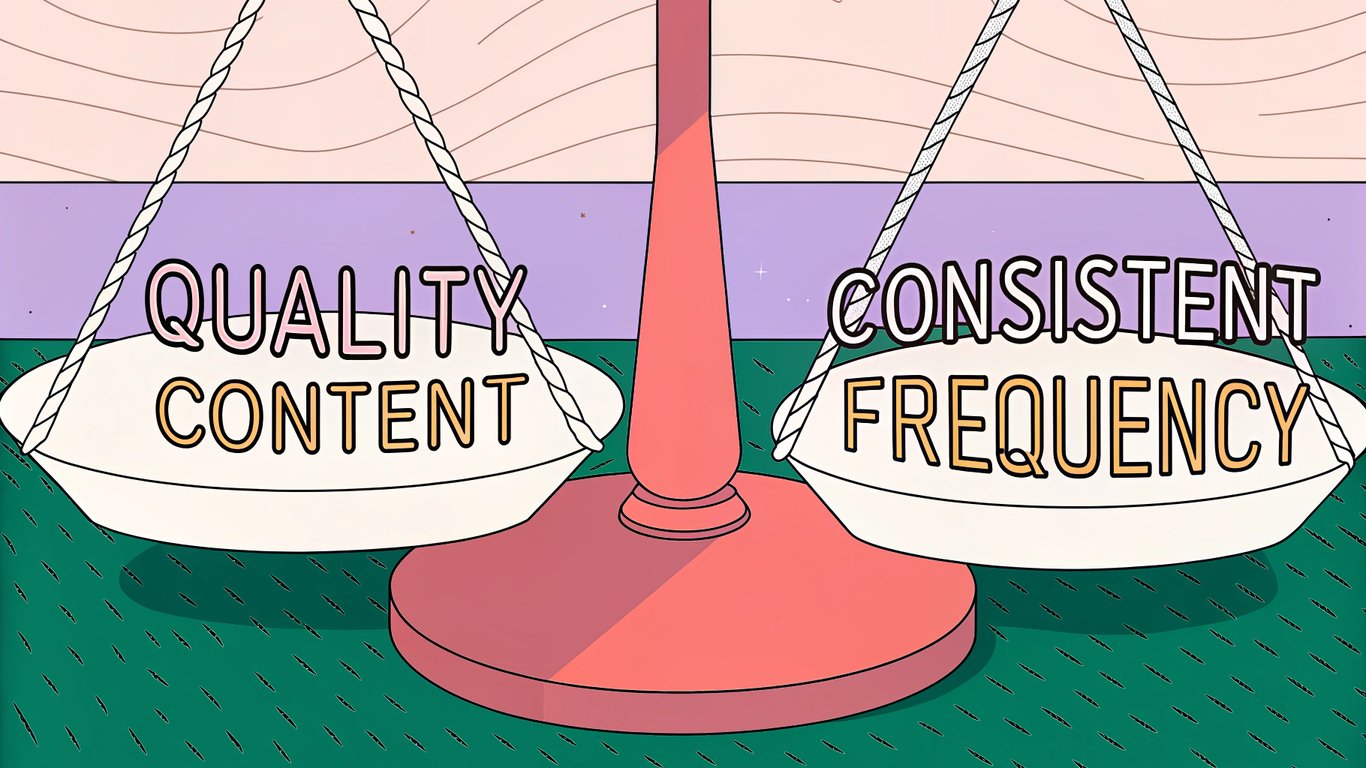
The key is finding a frequency you can maintain while keeping your quality standards intact. If you can write three excellent 1,500-word posts per week, great. If you can only manage one comprehensive 2,000-word post, that's fine too. What doesn't work is pushing out thin, rushed content that doesn't help anyone.
The Data-Backed Answer: Recommended Publishing Frequencies
Recent data from 2025 gives us clearer guidance than ever before. Digital publications that post 3-5 times per week see optimal engagement and SEO performance. But let's break down what works for different situations.
The Sweet Spot: 3-5 Posts Per Week
Most successful digital publications find their groove between three and five posts weekly. This frequency gives you enough content to target multiple keywords, keep your audience engaged, and signal consistent activity to search engines without overwhelming your resources.
At this pace, you're publishing roughly 12-20 posts per month. That's enough volume to build serious SEO momentum while maintaining quality standards. You'll have time to research topics properly, write comprehensive posts, and optimize each piece for search.
Minimum Viable Frequency: Once Per Week
If you're short on time or resources, one quality post per week is your baseline. This keeps your content fresh and helps with search engine optimization. Weekly posting maintains your presence without demanding unsustainable effort.
Many successful blogs stick to this schedule long-term. They focus on creating comprehensive, well-researched posts that provide real value. A single 2,000-word post that thoroughly answers a question beats five rushed 400-word posts every time.
High-Volume Publishing: Daily Posts
Daily publishing works for news sites, large media companies, and blogs with dedicated content teams. It requires significant resources and a clear content strategy. Unless you have multiple writers or a substantial time commitment, daily posting probably isn't sustainable.
That said, some niches benefit from daily updates. Financial news, technology updates, and trending topics often demand frequent publishing. Just make sure you've got the team and systems to support it.
Starting Out: Building Your Content Foundation
When you're launching a new blog, the rules change slightly. Your first goal should be creating 20-30 quality posts to establish topical authority and give search engines enough content to understand what your site is about.
During this foundation-building phase, you might publish more frequently than you will long-term. Some bloggers aim for 2-3 posts per week until they hit that 20-30 post threshold, then settle into a sustainable weekly rhythm. This approach builds momentum quickly while setting you up for long-term consistency.
Factors That Determine Your Ideal Posting Schedule
Your perfect publishing frequency depends on several factors unique to your situation. Let's walk through the key considerations.

Your Available Resources and Team Size
Be honest about your capacity. If you're a solo blogger with a full-time job, you can't compete with a team of five writers. And that's okay. Calculate how many hours you can realistically dedicate to content creation each week, then work backward to determine a sustainable frequency.
A comprehensive blog post typically takes 3-6 hours to research, write, edit, and optimize. Factor in time for images, formatting, and promotion too. If you have 10 hours weekly for blogging, two quality posts is probably your maximum.
Your Niche and Industry Standards
Different industries have different content consumption patterns. Tech blogs might need to publish more frequently to cover rapid developments. A blog about woodworking might thrive with one detailed tutorial per week.
Look at successful competitors in your niche. How often do they publish? What seems to resonate with their audience? You don't need to copy them exactly, but understanding industry norms helps set realistic expectations.
Your Current Blog Maturity Level
New blogs need to build content libraries and establish authority. You might publish more aggressively in your first few months. Established blogs with existing traffic can maintain their position with less frequent publishing, focusing instead on updating and improving existing content.
Your Audience Size and Engagement Patterns
Check your analytics to understand how your audience consumes content. If you publish three times weekly but most readers only visit once a week, you might be overproducing. Conversely, if readers visit daily looking for new content, you might have room to increase frequency.
Your Content Quality Standards

What's your minimum acceptable quality? If you won't publish anything under 1,500 words with original research and custom graphics, that limits your frequency. If you're comfortable with shorter, more focused posts, you can publish more often. Neither approach is wrong, but your standards directly impact your realistic output.
How SEO Blogging Frequency Impacts Search Rankings
Understanding the relationship between seo blogging frequency and search performance helps you make informed decisions about your publishing schedule.
How Search Engines Reward Fresh Content
Search engines crawl active sites more frequently than dormant ones. When you publish regularly, Googlebot learns to check your site more often, which means your new content gets indexed faster. This creates a positive feedback loop where consistent publishing leads to better visibility.
Regular updates also signal that your site is maintained and current. Search engines want to show users fresh, relevant information. A blog that hasn't published in six months looks abandoned, even if the existing content is still valuable.
The Compound Effect of Consistent Publishing
Every new post creates another opportunity to rank in search results. Publish weekly for a year, and you've created 52 potential entry points to your site. Publish three times weekly, and you've got 156 opportunities. More indexed pages generally means more organic traffic, assuming each post targets relevant keywords and provides value.
This compounds over time. Your older posts continue attracting traffic while new posts add to your total reach. After a year of consistent publishing, you might have dozens of posts generating steady organic traffic. This effect is even stronger when you organize content into topic clusters that reinforce each other's authority.
Content Freshness as a Ranking Signal
For certain queries, particularly news and trending topics, freshness matters significantly. Search engines prioritize recent content when users are clearly looking for current information. For evergreen topics, freshness matters less, but it still plays a role.
Regular publishing keeps your overall site fresh, which can indirectly benefit even your older posts. It shows search engines that you're actively maintaining and updating your content library.
Avoiding the Thin Content Trap
Here's the critical warning: publishing frequently with low-quality content will hurt your SEO more than help it. Search engines have gotten sophisticated at identifying thin, unhelpful content. A site full of rushed, shallow posts will struggle to rank, regardless of publishing frequency.
Quality always trumps quantity. One comprehensive, well-researched post will outperform five mediocre ones. Don't sacrifice substance for speed.
Creating Your Personalized Publishing Schedule
Let's turn theory into action. Here's how to establish a publishing frequency that works for your specific situation.
Step 1: Audit Your Current Capacity
Track how long it actually takes you to create a complete blog post from start to finish. Include research, writing, editing, formatting, and optimization. Be realistic about your available time each week. If you have 8 hours weekly and each post takes 4 hours, you can sustainably publish twice per week.
Step 2: Analyze Your Competition
Identify 5-10 successful blogs in your niche. Check their publishing frequency over the past few months. Look for patterns. You don't need to match them exactly, but understanding what works in your space provides valuable context.
Step 3: Set Realistic Initial Goals
Start conservative. It's better to commit to one post weekly and exceed that goal than to commit to three posts and consistently fall short. You can always increase frequency later, but reducing it feels like failure and can disappoint your audience.
Step 4: Create a Content Calendar
Plan your topics at least a month in advance. Tools like Notion, Trello, or even a simple spreadsheet work well. Having a clear roadmap reduces decision fatigue and helps you maintain consistency.
Step 5: Test and Measure Results
Track key metrics like organic traffic, time on page, and engagement rates. Monitor how your chosen frequency affects these numbers over 2-3 months. Look for trends rather than day-to-day fluctuations.
Step 6: Adjust Based on Performance Data
If you're consistently hitting your publishing goals and seeing positive results, consider increasing frequency. If you're struggling to maintain quality or burning out, scale back. Your seo blogging frequency should evolve as your capacity and results change.
Best Practices for Maintaining Consistent Publishing
Consistency is harder than it sounds. These strategies help you maintain your publishing schedule long-term.
Batch Content Creation Techniques
Instead of writing one post at a time, dedicate blocks of time to creating multiple posts. You might spend one day researching five topics, another day writing three posts, and a third day editing and optimizing. Batching reduces context-switching and often improves efficiency.
Building a Content Buffer
Aim to stay 2-4 weeks ahead of your publishing schedule. This buffer protects you during busy periods, vacations, or unexpected life events. When you're ahead, you can focus on promotion and engagement rather than scrambling to meet deadlines.
Leveraging Content Repurposing
One comprehensive post can become multiple pieces of content. Turn key points into social media posts, create an infographic from your data, or record a video discussing the topic. Repurposing extends your content's value without requiring completely new research and writing.
Using Editorial Calendars and Scheduling Tools
Most blogging platforms include scheduling features. Write posts when you're productive, then schedule them for optimal publishing times. This separates creation from publication, giving you more flexibility and consistency.
When to Slow Down vs. Speed Up
Slow down if you're consistently missing deadlines, quality is slipping, or you're feeling burned out. Speed up if you're easily meeting goals, have extra capacity, and your metrics show room for growth. Listen to both your data and your gut.
Common Mistakes to Avoid
These pitfalls derail many bloggers. Knowing them helps you avoid the same mistakes.
Overcommitting and Burning Out
The most common mistake is setting an unsustainable schedule. You start strong, publishing daily or multiple times per week, then crash after a few months. Burnout kills more blogs than anything else. Start conservative and build gradually.
Inconsistent Publishing Patterns
Publishing five posts one week, then nothing for three weeks, then two posts, then nothing again creates confusion. Your audience won't know when to expect content, and search engines won't establish a reliable crawl pattern. Steady beats sporadic every time.
Sacrificing Quality for Quantity
Rushing posts to hit a quota produces content that doesn't help anyone. Readers leave disappointed, search engines recognize the thin content, and you've wasted time creating something ineffective. Better to publish less frequently with higher quality.
Ignoring Audience Feedback and Analytics
Your data tells you what's working. If certain post types or topics consistently outperform others, adjust your strategy accordingly. If engagement drops when you increase frequency, that's valuable information. Make decisions based on evidence, not assumptions. Strong content pillars make these adjustments easier because you already have a clear framework for what to create.
Your Action Plan for Blogging Success
You now understand how publishing frequency affects your blog's success and have the tools to determine your optimal schedule. The key is finding a sustainable rhythm that balances consistency with quality.
Quick Reference: Frequency Recommendations by Blog Type
Blog Type | Recommended Frequency | Notes |
|---|---|---|
New Blog (0-6 months) | 2-3 posts/week | Build content foundation of 20-30 posts |
Established Blog | 3-5 posts/week | Optimal for growth and engagement |
Solo Blogger (Part-time) | 1-2 posts/week | Sustainable long-term schedule |
Team/Agency Blog | 3-7 posts/week | Leverage multiple writers |
Niche/Specialized Blog | 1-2 posts/week | Focus on depth over frequency |
Your Next Steps
Start by calculating your realistic capacity this week. How many hours can you dedicate to content creation? Based on that number and your average post creation time, set a conservative publishing goal for the next month. Create a simple content calendar with specific topics and dates. Then commit to that schedule for at least 8-12 weeks before making major adjustments.
Remember that consistency beats perfection. A blog that publishes one solid post every week for a year will build more momentum than a blog that publishes daily for two months then goes silent. Find your sustainable pace, stick with it, and adjust based on real data rather than arbitrary goals. If maintaining that pace feels challenging, WordPress AI autoblogging can help you scale content production without sacrificing quality.