

You've probably felt it. That nagging pressure to post something, anything, just to stay visible. You scramble for ideas, publish whatever comes to mind, and hope it sticks. But weeks later, you're staring at analytics that tell the same disappointing story: scattered engagement, no clear momentum, and content that disappears into the void.
This isn't a creativity problem. It's a strategy problem.
The Problem with Random Content Creation
When you post without a plan, you're essentially throwing content at the wall to see what sticks. Some pieces perform okay. Most don't. You can't build on past successes because there's no thread connecting your work. Your audience doesn't know what to expect from you, and search engines can't figure out what you're actually about.
The result? Inconsistent traffic, weak brand recognition, and a content library that feels more like a junk drawer than a strategic asset. You're working hard but not building anything that compounds over time.
What Are Content Pillars?

Content pillars are the core themes that guide everything you create. Think of them as the three to five big topics your brand consistently talks about across all channels. They're not individual blog posts or social updates. They're the broad subject areas that define your expertise and connect your entire content ecosystem.
If you run a fitness brand, your pillars might be strength training, nutrition, recovery, and mindset. Every piece of content you create falls under one of these umbrellas. This gives your audience a clear sense of what you stand for and makes it easier for you to plan what to create next.
The Business Case: Why Structured Content Wins
Here's what makes this approach worth your time: businesses using structured content strategies generate 67% more leads than those posting randomly. That's not a small difference. It's the gap between content that builds momentum and content that just fills space.
The shift to AI-driven search makes this even more critical. Platforms like Google's AI Overviews and other generative search tools reward content that demonstrates topical authority. When you consistently publish around specific themes, you signal expertise in those areas. Random posts don't build that kind of credibility.

Understanding Content Pillars: The Foundation of Your Strategy
Core Themes vs. Individual Topics
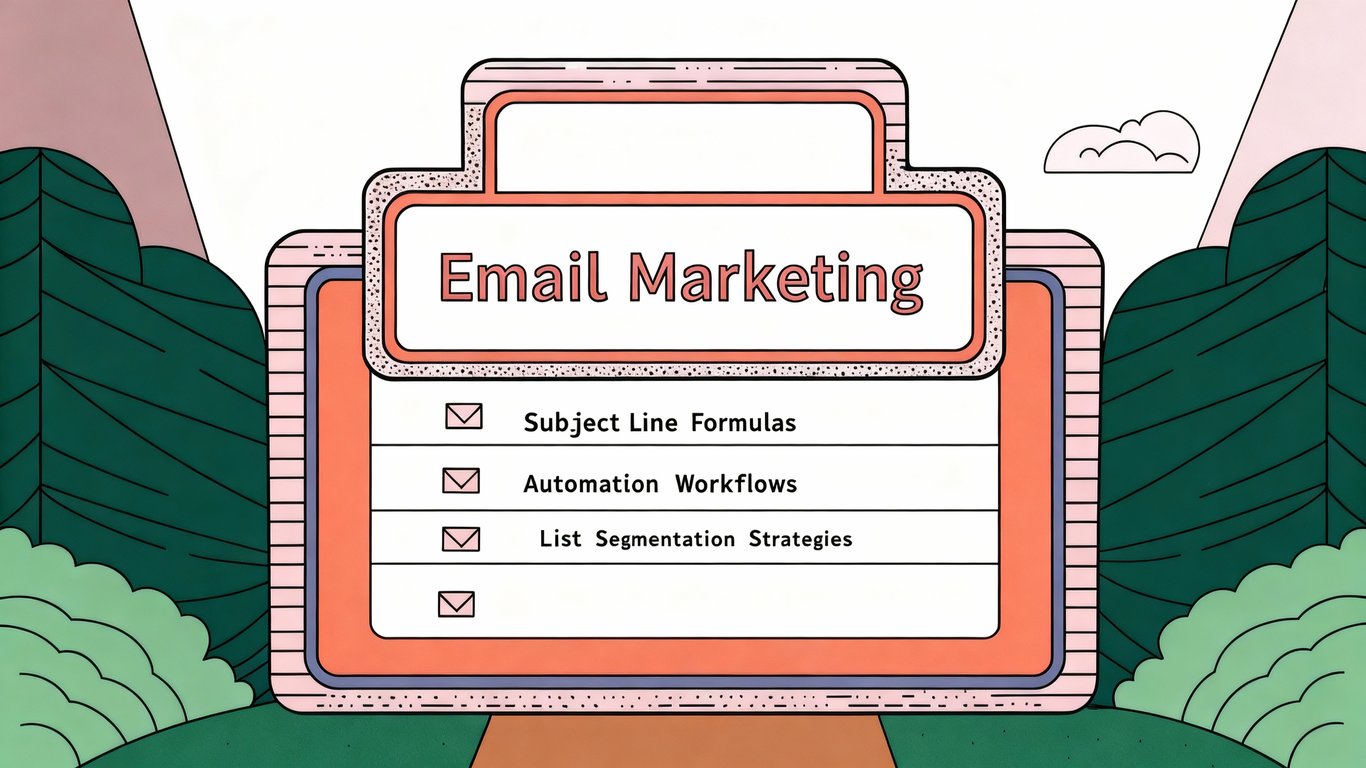
A content pillar isn't a single blog post. It's the category that dozens of posts can live under. If "email marketing" is your pillar, individual topics might include subject line formulas, automation workflows, list segmentation strategies, and deliverability tips. Each piece supports the broader theme while standing on its own.
This distinction matters because it changes how you think about content creation. Instead of asking "what should I write about today?" you're asking "which pillar needs more depth?" That's a much easier question to answer.
How Content Pillars Connect Your Content Ecosystem
Pillars create natural connections across everything you publish. A blog post about email automation can link to your article on list segmentation. Your social media posts can reference both. Your newsletter can dive deeper into specific aspects. Each piece reinforces the others, creating a web of related content that keeps people engaged longer.
This interconnected approach also makes repurposing easier. One comprehensive pillar article can become a video series, an email course, multiple social posts, and a podcast episode. You're not starting from scratch each time.
The SEO Advantage: Topical Authority and AI Overviews
Search engines are getting better at understanding context and expertise. When you publish consistently around specific themes, you build what's called topical authority. Google sees you as a credible source on those subjects, which improves your chances of ranking for related searches.
AI-powered search platforms take this further. They're looking for comprehensive, interconnected content that demonstrates real knowledge. A pillar-based strategy naturally creates this kind of content structure. You're not just answering one question; you're building a knowledge base around entire topics.
Real-World Examples: Duolingo, IBM, and Other Brands
Look at Duolingo's TikTok presence. Their content pillars are clear: language learning tips, brand personality (featuring their mascot Duo), pop culture commentary, and user engagement. Every video fits into one of these categories, but they never feel repetitive because there's endless variety within each pillar.
IBM takes a different approach with pillars around artificial intelligence, cloud computing, cybersecurity, and business transformation. Their content ranges from technical deep dives to business strategy pieces, but it all reinforces their expertise in these core areas.
Both brands prove that pillars work across industries and content types. The key is choosing themes that align with your expertise and audience needs.
Step 1: Identify Your Content Pillars
Analyze Your Brand's Core Values and Priorities
Start with what matters to your business. What are you trying to accomplish? What problems do you solve? What makes you different from competitors? Your content pillars should reflect these fundamentals.
Write down your mission statement, core values, and primary business objectives. Look for themes that appear repeatedly. If innovation keeps coming up, that might be a pillar. If customer success is central to your identity, that's probably another one.
Research Your Audience's Needs and Pain Points
Your pillars need to serve your audience, not just your business goals. Dig into what your customers actually care about. Read through support tickets, customer reviews, and social media comments. What questions come up repeatedly? What challenges do people mention most often?
Run surveys if you can. Ask your audience directly what topics they want to learn more about. Check forums and communities where your target customers hang out. The patterns you find should heavily influence your pillar choices.
Audit Your Existing Content Performance
Look at what's already working. Pull up your analytics and identify your top-performing content from the past year. What topics generated the most engagement? Which pieces drove the most conversions? Where do you see natural clusters forming?
You might discover that you've accidentally been building a pillar without realizing it. Maybe all your best-performing posts relate to productivity tips or industry trends. That's valuable data pointing you toward a pillar that resonates.
Map Your Expertise and Unique Value
What can you talk about with genuine authority? Where do you have experience, insights, or perspectives that others don't? Your pillars should lean into your strengths, not force you to fake expertise in areas where you're weak.
Be honest about this. If you're a small team, you probably can't cover as many pillars as a large enterprise. That's fine. Depth beats breadth. It's better to own three topics completely than to spread yourself thin across seven. This focused approach also helps you maintain a consistent publishing frequency without burning out.
Choose 3-5 Pillars That Balance Business and Audience Goals
Now bring it all together. You want pillars that serve both your business objectives and your audience's needs. Three pillars work well for small teams or focused brands. Five gives you more variety if you have the resources to maintain consistency across all of them.
Test your choices against these criteria: Does this pillar align with our business goals? Will our audience find this valuable? Can we create enough content around this theme? Do we have genuine expertise here? If you can answer yes to all four, you've probably found a solid pillar.
Step 2: Structure and Define Each Content Pillar
Create a Pillar Framework Template
Document each pillar in a simple framework. For every pillar, write down: the pillar name, a one-sentence description, the primary audience for this pillar, the business goal it supports, and the key message you want to communicate.
This documentation keeps everyone aligned. When someone asks "should we create content about X?" you can check it against your pillar definitions. If it doesn't fit, it's probably not worth your time right now.
Develop Subtopics and Content Clusters
Break each pillar into 10-20 subtopics. These become your content ideas. If your pillar is "social media marketing," subtopics might include platform-specific strategies, content creation tips, analytics and measurement, paid advertising, and community management.
Think of these subtopics as branches growing from your pillar trunk. Each branch can support multiple pieces of content. This gives you a roadmap for months of content creation without ever feeling stuck for ideas.
Assign Content Formats to Each Pillar
Different pillars might work better with different formats. Maybe one pillar is perfect for video tutorials while another works best as written guides. Some pillars might shine on social media while others need long-form blog posts to do them justice.
Match formats to both the pillar content and where your audience consumes that type of information. Don't force every pillar into the same format just because it's easier. Variety keeps things interesting for both you and your audience.
Define Your Content Mix and Balance
Decide how much attention each pillar gets. You might split evenly across all pillars, or you might weight certain pillars more heavily based on business priorities. A common approach is the 40-30-20-10 split for four pillars, giving your primary pillar the most focus.
This balance prevents you from accidentally neglecting pillars or overloading on one theme. It also helps with planning. If you publish four times a week and have four pillars, you might dedicate one day to each pillar.
Step 3: Build Your Content Calendar Around Your Pillars
Set a Realistic Posting Rhythm
Be honest about what you can maintain. Publishing daily sounds great until you burn out in week three. Start with a frequency you're confident you can sustain for at least 90 days. Two or three times per week is often more realistic than daily posting, especially if you're creating quality content.
Consistency matters more than volume. Your audience and the algorithms both reward regular publishing over sporadic bursts of activity followed by silence.
Map Your First 90 Days
Plan out your next three months in detail. Assign specific subtopics to specific dates, rotating through your pillars according to your chosen balance. This removes the daily decision fatigue of figuring out what to create.
Leave some flexibility for timely content or unexpected opportunities, but have your core schedule locked in. When you sit down to create, you already know what you're working on.
Create a Multi-Channel Content Calendar
Your pillars should guide content across all channels. A blog post under one pillar can be adapted for social media, email newsletters, and video content. Plan how each piece will be distributed and repurposed across your channels.
Tools like Planable or Sprout Social help you visualize this multi-channel approach and keep everything organized in one place.
Plan for Seasonal and Campaign Content
Your pillars provide the foundation, but you'll still need room for seasonal content, product launches, and special campaigns. Build these into your calendar without abandoning your pillar structure. A holiday campaign can still align with one of your core themes.
Build Content Batching Workflows
Create content in batches organized by pillar. Spend one day creating multiple pieces around the same theme. This is more efficient than switching contexts constantly, and it helps you go deeper into each topic while you're already in that headspace.
Step 4: Execute and Optimize Your Content Pillar Strategy
Create Your First Pillar Content Pieces
Start with cornerstone content for each pillar. These are comprehensive pieces that establish your expertise and serve as hubs for related content. They don't need to be perfect, but they should be substantial and genuinely helpful.
Focus on quality over quantity in these early pieces. You're setting the standard for everything that follows.
Maintain Consistency Across Channels
Your pillars should be recognizable across all platforms, but the execution will vary. A LinkedIn post looks different from a TikTok video, even if they're both supporting the same pillar. Adapt your message to each platform's strengths while maintaining thematic consistency.
Track Performance Metrics by Pillar
Monitor how each pillar performs. Track engagement rates, traffic, conversions, and any other metrics that matter to your business. This data tells you which pillars resonate most with your audience and deserve more investment.
Don't just look at individual post performance. Analyze pillar-level trends over time. Some pillars might start slow but build momentum as you establish authority.
Gather Audience Feedback and Engagement Data
Pay attention to comments, questions, and direct messages. What are people asking for more of? What seems to confuse them? This qualitative feedback is just as valuable as your analytics data.
Refine and Evolve Your Pillars
Your pillars aren't set in stone. Review them quarterly. If one pillar consistently underperforms and you can't figure out why, consider replacing it. If your business priorities shift, your pillars should shift too. The framework is meant to provide structure, not create rigidity.
Common Mistakes to Avoid When Building Content Pillars
Choosing Too Many or Too Few Pillars
One or two pillars don't give you enough variety. Your content gets repetitive fast. Seven or eight pillars spread you too thin. You can't build depth in any single area, and planning becomes overwhelming.
Three to five is the sweet spot for most brands. It provides variety without diluting your focus.
Making Pillars Too Narrow or Too Broad
A pillar that's too narrow runs out of content ideas quickly. "Instagram Reels tips" might work as a subtopic, but it's probably too specific for a full pillar. On the flip side, "marketing" is too broad. You need something in between, like "social media marketing" or "content marketing."
Ignoring Audience Needs in Favor of Business Goals
Pillars that only serve your business interests won't engage your audience. Yes, you need to support your objectives, but if your content doesn't help your audience solve problems or achieve goals, they won't stick around. Find the overlap between what you want to talk about and what they want to learn.
Failing to Maintain Consistency
The best pillar strategy in the world doesn't work if you publish sporadically. Set a schedule you can actually maintain, then stick to it. Consistency builds trust with your audience and signals to search engines that you're an active, reliable source.
Not Connecting Content Across Pillars
Your pillars shouldn't exist in isolation. Link related content together. Reference previous posts. Create pathways for readers to explore deeper into topics they care about. This internal linking strengthens your SEO and keeps people engaged longer.
Tools and Resources to Manage Your Content Pillar Strategy
Content Planning and Calendar Tools
Planable offers a visual content calendar that makes it easy to organize content by pillar across multiple channels. Sprout Social combines scheduling with analytics, helping you plan and measure pillar performance in one platform.
For simpler needs, Trello or Notion can work well. Create boards or databases for each pillar and track content ideas, production status, and publishing dates.
Content Creation and Collaboration Software
Google Docs remains a solid choice for collaborative writing. Canva helps with visual content creation across all your pillars. For video content, tools like Descript streamline editing and repurposing.
Analytics and Performance Tracking Tools
Google Analytics tracks website performance by content topic. Social media platforms have built-in analytics, but tools like Sprout Social aggregate data across channels for easier pillar-level analysis.
Free Templates and Frameworks
Many marketing platforms offer free content pillar templates. Look for spreadsheet templates that help you organize pillars, subtopics, and content calendars. The specific tool matters less than having a system you'll actually use.
From Strategy to Sustainable Growth
Your Action Plan: Getting Started This Week
Don't wait for the perfect moment to start. Here's what you can do in the next seven days:
- Audit your existing content to identify natural themes and top performers
- List 5-7 potential pillars based on your business goals and audience needs
- Narrow that list to your final 3-5 pillars using the criteria we discussed
- Create a simple framework document for each pillar
- Brainstorm 10 subtopics for each pillar
- Map out your first month of content across your chosen pillars
- Schedule your first week of pillar-based content
You don't need fancy tools or a massive team to get started. You just need clarity on your themes and commitment to consistency. Understanding the difference between pillar pages and blog posts helps you allocate resources effectively across your content pillars.
The Long-Term Benefits of Pillar-Based Content
Learning how to build content strategy around pillars transforms how you approach content creation. Instead of starting from zero every time you need to publish, you're building on a foundation that gets stronger with each piece you add. For a deeper dive into organizing content around core themes, see our guide on topic clusters.
Six months from now, you'll have a library of interconnected content that works together to establish your authority. A year from now, you'll see the compounding effects in your search rankings, audience growth, and lead generation. If producing enough content to fill your pillars feels daunting, WordPress AI autoblogging can help you scale production while maintaining quality. The brands that win with content aren't the ones posting the most. They're the ones posting with purpose, guided by clear themes that resonate with their audience and support their business goals.
Your content pillars are that purpose, translated into action.