

You sit down to write a blog post. Halfway through, you remember you need an image. You switch to Canva. Then you realize you're missing a statistic, so you open Google. Before you know it, two hours have passed and you've written maybe 300 words.
Sound familiar?
This constant jumping between tasks isn't just annoying. It's actively destroying your productivity. And there's a better way.

The Hidden Cost of Context Switching
Every time you switch from one type of task to another, your brain needs time to adjust. You're not just changing what you're doing; you're changing how you're thinking. Writing requires creative flow. Editing demands critical analysis. Finding images needs visual thinking.
Research from productivity experts suggests that these mental gear shifts can cost you up to 40% of your productive time. That's nearly half your day lost to simply getting your brain back on track.
For content creators, this shows up in specific ways. You lose your writing voice when you stop mid-draft to format. Your creative momentum dies when you pause to find the perfect stock photo. Your analytical edge dulls when you bounce between editing and outlining.
What Is Batch Writing and Why It Works
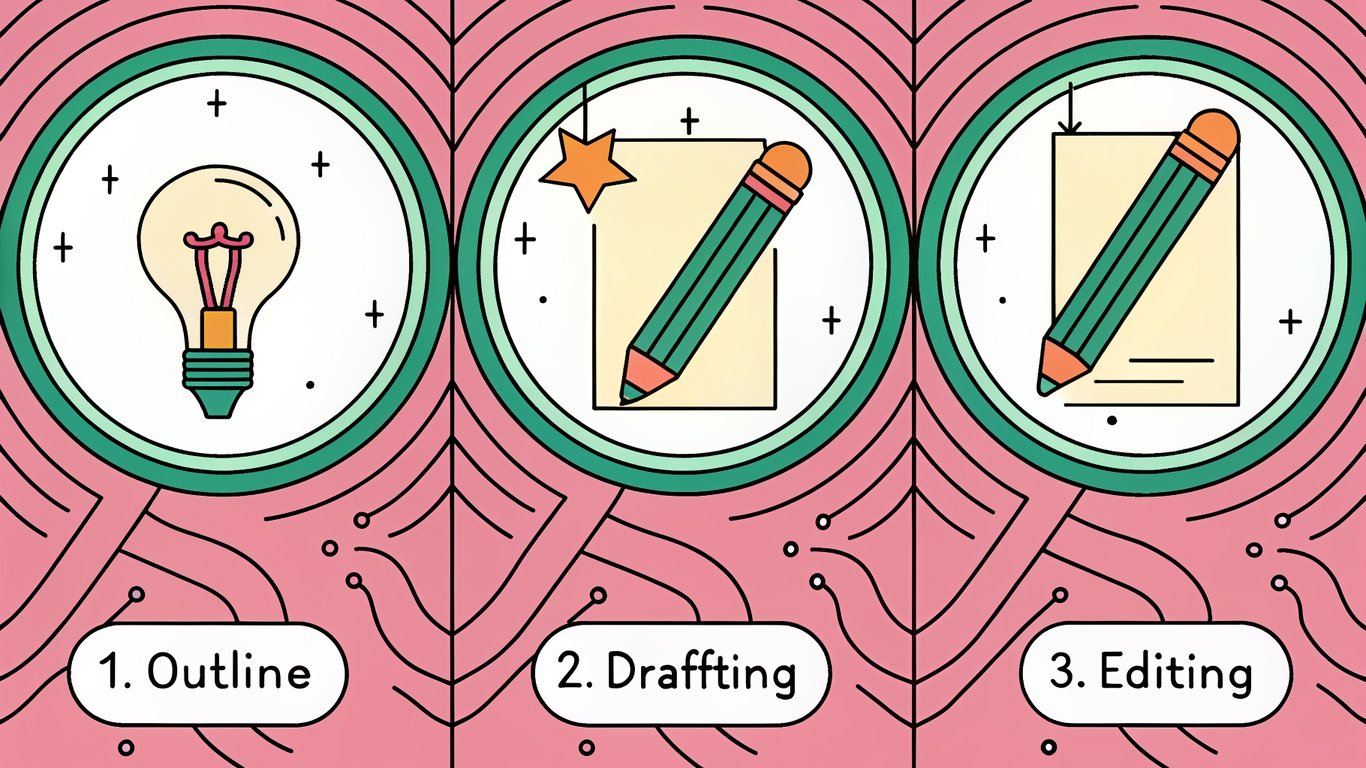
Batch writing means grouping similar content tasks together and completing them in dedicated blocks. Instead of writing one post from start to finish, you outline five posts in one session, draft them all in another, and edit them together in a third.
The concept isn't new. Assembly lines revolutionized manufacturing by having workers specialize in one task rather than building entire products. Your brain works the same way. When you stay in one mode of thinking, you get faster, sharper, and more efficient.

According to Asana's research on task batching, grouping similar tasks minimizes context switching and helps you maintain focus for longer periods. You're not constantly reorienting yourself. You're in the zone.
Who Benefits Most from This Workflow
This workflow works best for solo bloggers and small content teams who need to produce consistent content without burning out. If you're publishing at least weekly, you'll see real benefits. If you're trying to scale from sporadic posting to regular publishing, batch writing might be exactly what you need.
That said, batch writing isn't magic. You still need to write the content. You still need ideas. What changes is how you organize the work to maximize your mental energy and minimize wasted time.
Strategic Planning and Content Preparation
Before you write a single word, you need a plan. Not a vague idea of topics, but a concrete roadmap of what you're creating and when it's publishing.
Conduct Your Monthly Content Audit
Start by looking at what's already working. Open your analytics and identify your top five performing posts from the last 90 days. What topics resonated? What formats got the most engagement? What questions are people asking in comments?
Then look for gaps. What topics have you promised to cover but haven't? What questions keep coming up that you haven't addressed? What seasonal content do you need to prepare?
This audit shouldn't take more than an hour. You're not doing deep analysis. You're gathering intelligence to inform your next batch of content.
Create Your Content Calendar Framework
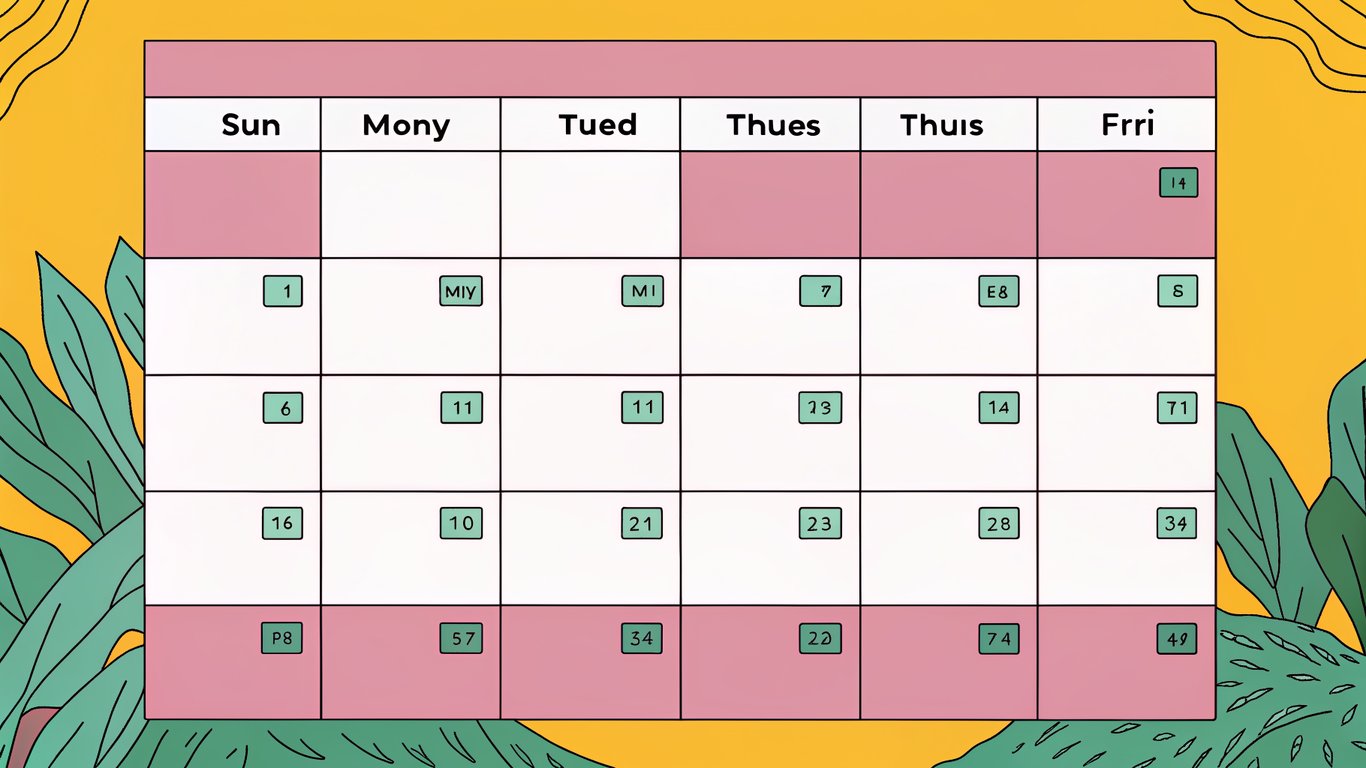
Now map out 30 to 90 days of content. You don't need final titles yet. Just themes and general topics with publishing dates. Maybe you're covering productivity tools in week one, content strategy in week two, and SEO basics in week three.
Use a simple spreadsheet or tool like Notion or Airtable. Include columns for topic, target keyword, publishing date, and status. Keep it simple enough that you'll actually use it.
Gather Research and Resources in Bulk
Once you know what you're writing, collect everything you'll need. Bookmark relevant articles. Save statistics and studies. Download or bookmark images you might use. Create a folder for each post with all the raw materials.
This feels tedious, but it's crucial. When you sit down to write, you want zero friction. No hunting for that perfect stat. No searching for supporting evidence. Everything's ready to go.
Set Up Your Batch Writing Environment
Your environment matters more than you think. Close unnecessary browser tabs. Turn off notifications. Put your phone in another room. Use a distraction-blocking app like Freedom or Cold Turkey if you need to.
Have water nearby. Queue up focus music if that helps you. Make sure you're comfortable but not so comfortable you'll fall asleep. You're setting up for sustained concentration.
The Batch Writing Process
Here's where the actual work happens. This process breaks content creation into distinct phases, each requiring a different type of thinking.
Block Dedicated Batch Writing Time
Schedule 2 to 4 hour blocks on your calendar and treat them like important meetings. For most people, mornings work best when mental energy is highest. But you know your own rhythms.
A typical weekly schedule might look like this: Monday morning for outlining, Wednesday morning for drafting, Friday morning for editing. Or you might prefer one intensive day where you batch everything. Experiment to find what works.
Create All Outlines in One Session
Start by outlining multiple posts consecutively. Don't write full sentences yet. Just structure. Main points, subheadings, key arguments. Think of it as building the skeleton before adding the flesh.
You'll probably outline 5 to 10 posts in a single 2-hour session once you get the hang of it. The key is staying in structural thinking mode. You're an architect right now, not a writer.
Write First Drafts Without Editing
Now comes the rough draft sprint. Pick up your first outline and write it out. Don't stop to fix typos. Don't worry about perfect phrasing. Don't second-guess your word choices. Just get the ideas down.
This is probably the hardest part for perfectionists. Your drafts will be messy. That's fine. That's expected. You're in creative mode, not critical mode. Those are different mental states and you can't do both simultaneously.
Depending on post length, you might complete 2 to 4 drafts in a focused session. Some people can do more. Don't push so hard that quality suffers, but don't baby yourself either.
Batch Edit and Polish Content
Wait at least a day before editing. Fresh eyes catch more issues. When you do edit, switch completely into editor mode. Now you're critical, analytical, ruthless about cutting fluff.
Edit all your drafts in one session. You'll develop a consistent voice and quality standard. You'll spot patterns in your writing that need fixing. You'll get faster at making decisions about what stays and what goes.
Add Visual Elements and Formatting
Finally, batch process all the finishing touches. Add images to all posts. Format headers consistently. Insert links. Optimize meta descriptions. Add alt text to images.
This is tedious work, but doing it all at once makes it faster. You're in production mode, checking boxes, making everything publication-ready.
Scheduling and Automation Setup
You've created the content. Now you need to get it published and promoted without manually doing everything.
Choose the Right Scheduling Tools
For blog posts, WordPress has built-in scheduling. Just set your publish date and time when you upload the post. Most other platforms like Ghost or Squarespace offer similar features.
For social media promotion, tools like Buffer, Hootsuite, or Metricool let you schedule posts across multiple platforms. According to Metricool's social media workflow guide, batching content and scheduling it in advance is one of the most effective ways to manage multiple platforms efficiently.
Upload and Schedule Your Batch
Load all your finished posts into your CMS at once. Set staggered publish dates based on your content calendar. Most bloggers publish on consistent days (like every Tuesday and Thursday) to build reader expectations.
Consider time zones if you have a global audience. Publishing at 9 AM in your timezone might be midnight for half your readers. Many scheduling tools let you optimize timing based on when your audience is most active.
Create a Social Media Promotion Schedule
For each blog post, create 3 to 5 social media posts promoting it. Vary the angle and hook. One might highlight a key statistic. Another might ask a question. A third might share a surprising insight from the post.
Schedule these to go out over several days or weeks. Your blog post has a long shelf life. Don't just promote it once on publication day.
Set Up Monitoring and Engagement Systems
Just because content is scheduled doesn't mean you ignore it. Set up email notifications for comments. Check your social media mentions once or twice daily. Respond to engagement, but don't obsessively refresh your stats.
The goal is consistent presence without constant attention. You've front-loaded the work. Now you're just maintaining.
Optimizing Your Batch Writing Workflow
Your first batch probably won't be perfect. That's normal. Here's how to refine the process over time.
Find Your Optimal Batch Size
Start small. Try batching 3 posts. If that feels easy, increase to 5. Some people can handle 10 or more in a batch. Others max out at 4 before quality drops.
Pay attention to when you start feeling mentally exhausted. That's your limit. Don't push past it just to hit an arbitrary number.
Combat Creative Fatigue
Writing multiple pieces in succession can drain your creativity. Take breaks between posts. Walk around. Stretch. Get a snack. Don't just power through until you're writing garbage.
Vary your topics within a batch if possible. Don't write five nearly-identical posts back to back. Mix it up to keep your brain engaged.
Build Content Templates and Swipe Files
Create templates for common post types. How-to posts follow a similar structure. Listicles have a predictable format. Product reviews hit the same key points.
Keep a swipe file of great introductions, transitions, and conclusions from other writers. Not to copy, but to inspire. When you're stuck, having examples helps jumpstart your thinking.
Leverage AI Tools Strategically
AI tools like ChatGPT or Claude can help with research, outlining, and editing. They're useful for generating initial ideas or catching errors you missed. Explore the best AI writing tools to further enhance your workflow.
But don't let AI write your content. Your voice, expertise, and perspective are what make your content valuable. Use AI as an assistant, not a replacement.
Sample Batch Writing Schedules
Here are concrete examples of how different creators might structure their batch writing workflow.
Solo Blogger: 4 Posts Per Month
If you're publishing weekly, dedicate one day per month to batching. Spend the first week of the month creating next month's content.
- Monday morning (2 hours): Outline all 4 posts
- Monday afternoon (3 hours): Draft posts 1 and 2
- Tuesday morning (3 hours): Draft posts 3 and 4
- Wednesday morning (2 hours): Edit all 4 posts
- Wednesday afternoon (1 hour): Add images, format, schedule
Total time investment: about 11 hours for a month of content. The rest of the month, you're just monitoring and engaging.
Active Blogger: 8-12 Posts Per Month
For higher volume, split your batching into two sessions per month. Create two weeks of content at a time.
- Week 1, Monday: Outline 4-6 posts
- Week 1, Wednesday: Draft 2-3 posts
- Week 1, Friday: Draft remaining posts
- Week 2, Monday: Edit all posts
- Week 2, Wednesday: Format and schedule
- Repeat in week 3 for the next batch
This keeps batches manageable while maintaining consistent output.
Small Team: Coordinating Multiple Writers
With 2 to 3 writers, assign topics during a planning meeting. Each writer batches their own content, but you coordinate deadlines and editing.
- Week 1: Planning meeting, assign topics
- Week 2: Writers outline and draft their posts
- Week 3: Editor reviews and provides feedback
- Week 4: Writers revise, editor does final polish and scheduling
Having one person handle final editing ensures consistency across different writers.
Measuring Success and Continuous Improvement
Track your progress to prove this workflow is actually helping.
Key Metrics to Track
Focus on these productivity metrics:
- Time per post (should decrease as you get more efficient)
- Posts completed per batch session
- Publishing consistency (are you actually hitting your schedule?)
- Quality metrics (engagement, time on page, comments)
Don't obsess over these numbers, but check them monthly to spot trends.
Monthly Workflow Review Process
At the end of each month, spend 30 minutes reviewing what worked and what didn't. Which phase felt hardest? Where did you get stuck? What took longer than expected?
Make one or two small adjustments for next month. Don't overhaul everything at once. Incremental improvements compound over time.
When to Adjust Your Batch Schedule
If you're consistently missing deadlines, your batches are probably too large. Scale back. If you're finishing with time to spare, you can probably handle more volume. If quality is dropping, you're pushing too hard.
Your workflow should evolve as your skills improve and your circumstances change. What works now might need tweaking in six months.
Your 30-Day Implementation Plan
Ready to start? Here's exactly how to implement batch writing over the next month.
Week 1: Setup and First Mini-Batch
Don't try to batch a month of content right away. Start with just 2 to 3 posts. Set up your content calendar. Choose your scheduling tools. Block time on your calendar for next week.
Complete your first small batch using the process outlined above. It'll feel awkward. That's normal. You're building a new habit.
Week 2-4: Scale and Refine
In week 2, increase to 4 posts if the first batch went well. In week 3, try 5 or 6. By week 4, you should have a sense of your optimal batch size and rhythm.
Pay attention to what's working. Maybe you're great at outlining but slow at editing. Maybe you need longer breaks between drafts. Adjust based on your actual experience, not what you think should work.
Common Pitfalls to Avoid
The biggest mistake is trying to batch too much too soon. Start small. Build the habit. Scale gradually.
Second biggest mistake: not actually scheduling the content. You batch write everything, then it sits in drafts because you never set publish dates. Schedule immediately after finishing.
Third mistake: perfectionism. Your batched content doesn't need to be flawless. It needs to be good enough and published consistently. Done beats perfect every time.
Batch writing won't solve all your content problems. You still need good ideas. You still need to understand your audience. You still need to write well. But it will make the actual production process dramatically more efficient. And for solo bloggers and small teams trying to maintain consistent publishing schedules, that efficiency can be the difference between success and burnout.