
We're living through something pretty wild. Tools like ChatGPT, Gemini, and Copilot have completely changed how people create content. Students write essays with them. Marketers draft blog posts. Journalists use them for research. The technology has become so accessible that millions of people generate AI-written text every single day.
But here's the thing: as these tools got better, they also got harder to spot. Early AI writing was pretty obvious (you could tell from a mile away). Now? It's sophisticated enough that even experienced editors sometimes can't tell the difference between human and machine-generated text.
This shift created a problem nobody saw coming.
Why Detection Matters More Than Ever
The explosion of AI-generated content brought real concerns. Teachers started seeing suspiciously perfect essays. Publishers worried about authenticity. Businesses questioned whether their content teams were actually doing the work. And everyone became more aware of how easy it is to create convincing misinformation at scale.
Academic integrity took a hit first. Universities scrambled to figure out whether students were learning or just prompting. Then came the misinformation problem, where AI tools made it trivial to generate fake news articles, misleading social media posts, and convincing-but-false information.
That's where AI content detection entered the picture.
What AI Content Detection Actually Is
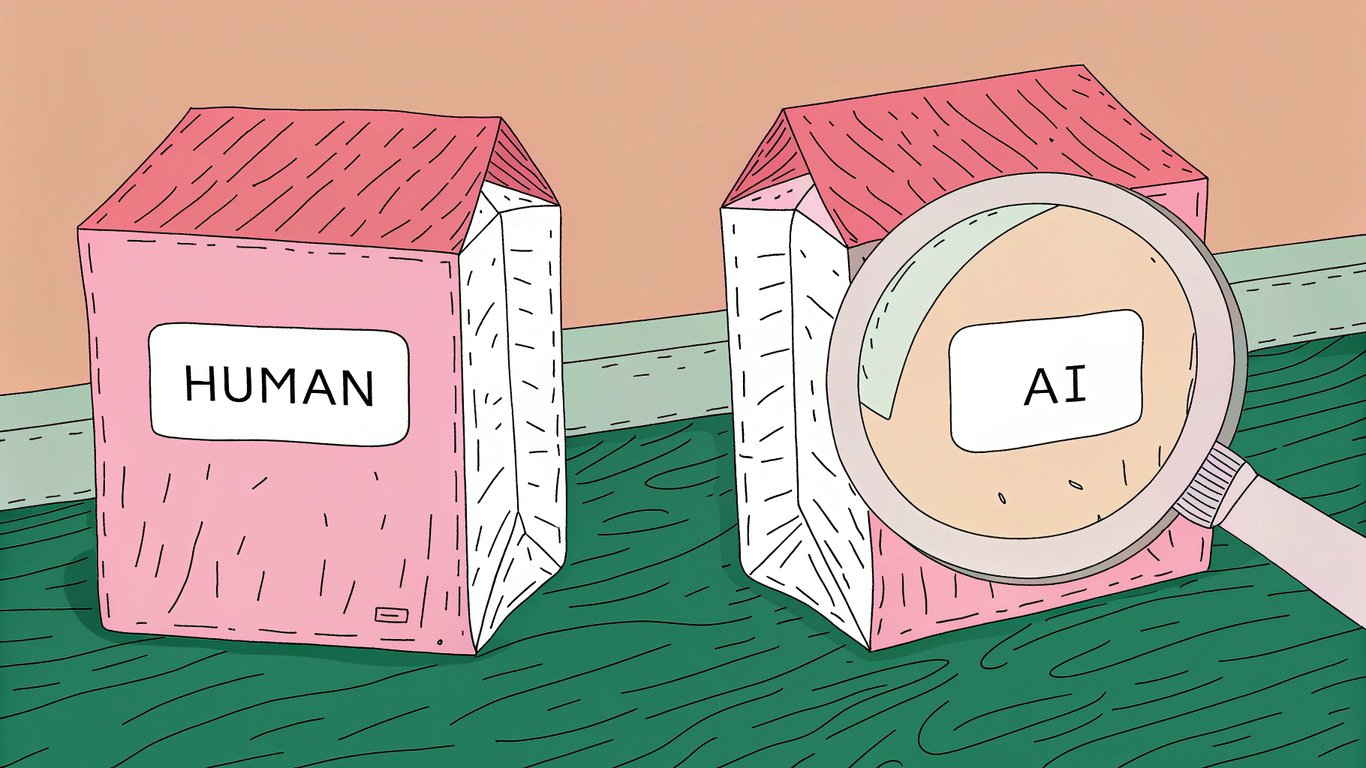
AI content detection (also called AI checking or ChatGPT detection) is the process of analyzing text to determine whether a human wrote it or an AI system generated it. These tools don't just guess randomly. They use sophisticated algorithms to spot patterns that typically show up in machine-generated content.
Think of it like a fingerprint analysis, but for writing. Every AI model leaves subtle traces in how it constructs sentences, chooses words, and structures ideas. Detection tools are trained to recognize these traces.
The goal isn't to punish people for using AI. It's about verification and transparency. When you read a news article, you probably want to know if a journalist wrote it or if it came straight from a language model. When a teacher grades an essay, they need to know if it represents the student's actual understanding.

Who's Using These Detection Tools
Different groups rely on AI detection for different reasons:
- Educators and universities use detection tools to maintain academic honesty and ensure students are actually learning
- Content publishers and journalists verify that articles meet authenticity standards before publication
- SEO professionals check content quality and ensure it aligns with search engine guidelines
- Businesses monitor what their content teams produce and protect brand reputation
- Fact-checkers identify potentially misleading AI-generated information spreading online
Each group has different stakes in the game, but they all need reliable ways to distinguish human writing from AI output.
How Detection Technology Works
AI detectors use several methods to analyze text. None of them are perfect, but together they create a reasonably accurate picture.
Pattern Recognition and Text Analysis
Detection tools examine how text is structured. They look at sentence patterns, word choices, and stylistic elements. AI models tend to write in predictable ways. They favor certain sentence structures. They use specific transition phrases more often than humans do. They maintain consistent tone in ways that human writers don't.
Human writing is messier. We make mistakes. We change our minds mid-sentence. We use inconsistent punctuation. AI writing is usually cleaner and more uniform, which ironically makes it easier to spot.
Perplexity and Burstiness
These are the two key metrics that detection tools rely on. Perplexity measures how predictable text is. Low perplexity means the text follows expected patterns (typical of AI). High perplexity means the text is more surprising or varied (typical of humans).
Burstiness measures variation in sentence structure and length. Humans write with high burstiness. We mix short, punchy sentences with longer, more complex ones. AI tends to write with more uniform sentence lengths and structures.
When detection tools analyze your text, they're essentially asking: Is this writing predictable and uniform (AI), or varied and surprising (human)?
Machine Learning Models
Detection tools are themselves AI systems, trained on massive datasets of both human-written and AI-generated text. They learn to recognize the subtle differences between the two. As AI writing tools evolve, detection models need constant retraining to keep up.
It's basically an arms race. AI generators get better at mimicking human writing. Detectors get better at spotting the mimicry. Neither side ever fully wins.

Leading Detection Tools in 2026
Several platforms have emerged as leaders in AI content detection. Each has different strengths and use cases.
Turnitin's Detection System
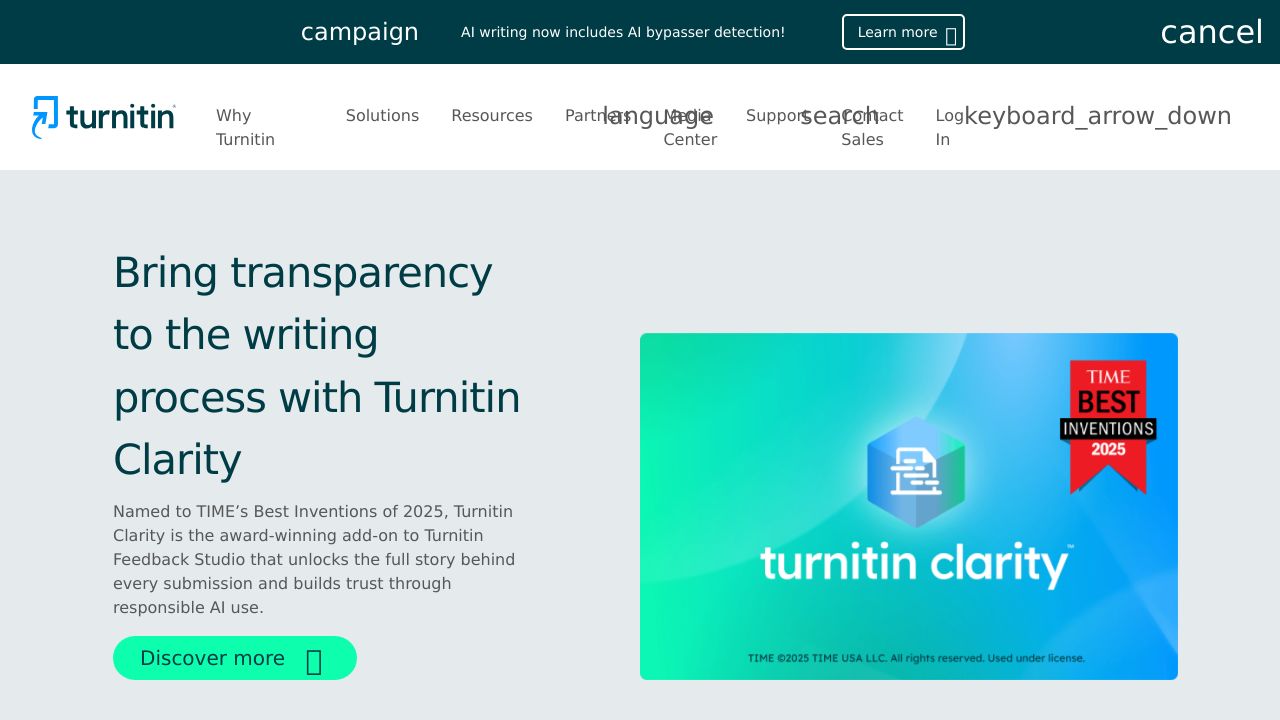
Turnitin dominates the education sector. They've been updating their AI writing detection model regularly throughout 2025, with releases in April, August, and October that improved recall while maintaining low false positive rates. Universities and schools trust Turnitin because it integrates with their existing plagiarism detection workflows.
The platform doesn't just flag AI content. It provides percentage estimates and highlights specific passages that seem machine-generated, giving educators context for conversations with students.
Grammarly's Detection Features
Grammarly has incorporated AI detection into its broader writing assistance platform. Their approach focuses on helping writers understand whether their content might be flagged as AI-generated, which is useful for content creators who want to ensure their work passes authenticity checks.
Compilatio and Specialized Tools
Compilatio offers detection specifically designed for academic and professional contexts. They focus on verifying content authorship and preventing misinformation. Other specialized tools have emerged for specific industries, from journalism to legal writing.
Free vs. Premium Options
Free detection tools exist, but they're generally less accurate than paid versions. They might analyze smaller text samples, use older detection models, or provide less detailed results. Premium tools offer better accuracy, larger text limits, batch processing, and integration with other platforms.
For casual use, free tools work fine. For professional or academic applications where accuracy matters, paid tools are probably worth the investment.
SEO and AI Content Detection
This is where things get interesting for content creators and marketers. The relationship between seo ai content detection and search rankings isn't straightforward.
What Google Actually Says
Google's official stance is that they don't penalize AI-generated content specifically. They care about quality, not origin. If AI-generated content is helpful, accurate, and provides value to users, Google will rank it. If it's thin, unhelpful, or manipulative, they won't (regardless of whether a human or AI wrote it).
But that doesn't mean you can just pump out AI content without consequences.
Best Practices for SEO AI Content Detection
If you're using AI to help create content, focus on these principles:
- Add genuine expertise and first-hand experience that AI can't provide
- Edit AI-generated drafts heavily to add personality and unique insights
- Verify all facts and claims (AI models sometimes make things up)
- Include original research, data, or perspectives
- Make sure the content actually helps people solve problems
The goal isn't to trick detection tools. It's to create genuinely useful content that happens to use AI as a starting point rather than the final product.
Quality Matters More Than Origin
Search engines have gotten pretty good at evaluating content quality. They look at factors like depth of information, expertise signals, user engagement, and whether the content satisfies search intent. A well-edited AI-assisted article that demonstrates real knowledge will probably outrank a poorly-written human article.
The debate isn't really about AI versus human anymore. It's about helpful versus unhelpful content.
How Accurate Are These Detectors?
Here's the uncomfortable truth: AI detection isn't perfectly reliable. It's gotten better, but it still makes mistakes.
Current Accuracy Rates
Most commercial detection tools claim accuracy rates between 85-95%, but real-world performance varies. Accuracy depends on factors like text length (longer texts are easier to analyze), the AI model used to generate the content, and how much the text has been edited after generation.
Short texts (under 300 words) are particularly hard to analyze accurately. There's just not enough data for the detector to work with.
False Positives and False Negatives
False positives happen when human-written text gets flagged as AI-generated. This can occur with formal writing, technical documentation, or content written by non-native English speakers (who sometimes write in patterns that resemble AI output).
False negatives happen when AI-generated text passes as human-written. This is more common when someone heavily edits AI output, uses paraphrasing tools, or prompts the AI to write in a more human-like style.
Both types of errors create problems. False positives can unfairly penalize honest writers. False negatives let deceptive content slip through.
Why Detection Is Getting Harder
AI writing models keep improving. They're learning to vary their sentence structures more. They're getting better at mimicking human quirks and inconsistencies. Some tools now specifically train their models to evade detection.
Paraphrasing tools add another layer of complexity. Someone can generate AI content, run it through a paraphraser, and often fool detection systems. Human editing does the same thing. If you take AI-generated text and substantially revise it, most detectors will struggle to identify it.
Real-World Applications
Detection technology is being deployed across multiple sectors, each with different priorities and challenges.
Education and Academic Integrity
Schools and universities face the toughest challenge. They need to maintain academic standards while acknowledging that AI tools aren't going away. Many institutions now use detection tools as conversation starters rather than definitive proof. If a student's essay gets flagged, it prompts a discussion about their writing process rather than automatic punishment.
Some educators are rethinking assignments entirely, focusing on in-class writing, oral presentations, or projects that require demonstrable process work.
Publishing and Journalism
Media organizations use detection tools to verify content authenticity before publication. Some outlets have policies requiring disclosure when AI assists with content creation. Others ban AI-generated content entirely for news reporting (though they might allow it for data analysis or routine updates).
The journalism industry is still figuring out where the lines should be drawn.
Business Content and Marketing
Companies use detection for quality control. They want to ensure their content teams are adding value beyond just prompting AI tools. Some businesses embrace AI assistance but require human oversight and editing. Others use detection to verify that outsourced content meets their standards.
Fighting Misinformation
Fact-checkers and social media platforms are exploring AI detection as one tool (among many) for identifying potentially misleading content. The challenge is that AI-generated misinformation often gets edited by humans, making it harder to detect while still being false.
What's Coming Next
The detection landscape keeps evolving. Here's what seems likely for 2026 and beyond.
Improved Detection Technology
Detection models are getting more sophisticated. They're learning to identify AI content even after heavy editing. They're getting better at analyzing shorter texts. And they're starting to distinguish between different AI models (ChatGPT versus Gemini versus Claude, for example).
But as detection improves, so does generation. It's an ongoing cycle.
Privacy and Ethics Questions
Detection tools raise privacy concerns. Should employers scan employee communications for AI content? Should platforms automatically flag user-generated content? Who decides what's acceptable AI use and what isn't?
These questions don't have easy answers. Different organizations and cultures will probably develop different norms around AI content and detection.
Moving Toward Transparency
Rather than trying to hide AI use, many experts advocate for transparency. Some propose watermarking AI-generated content at the source. Others suggest disclosure requirements for certain types of content. The idea is to let readers make informed decisions about what they're consuming.
Transparency might work better than detection in the long run.
Practical Recommendations
For different groups navigating this landscape:
Educators: Use detection tools as one data point, not the final word. Focus on teaching critical thinking and proper AI use rather than trying to ban it entirely. Design assignments that require demonstrable human input.
Content creators: If you use AI assistance, add substantial human expertise and editing. Focus on creating genuinely helpful content rather than gaming detection systems. Consider disclosing AI use when appropriate.
Business professionals: Develop clear policies about AI use in your organization. Use detection tools for quality assurance, not punishment. Invest in training people to use AI effectively rather than trying to prevent its use.
The Bigger Picture
AI content detection exists because we're in a transition period. We're figuring out how AI fits into writing, education, journalism, and business. The technology will keep improving on both sides (generation and detection), but the fundamental questions are about trust, authenticity, and value.
Detection tools serve a purpose right now. They help maintain standards and verify authenticity when it matters. For more on this topic, explore our AI content guides. But they're not a permanent solution to the challenges AI creates. We'll probably need new frameworks for thinking about authorship, originality, and what makes content valuable.
The most important thing isn't whether content is AI-generated or human-written. It's whether the content is accurate, helpful, and created with genuine expertise—principles that align with E-E-A-T guidelines for AI content. That's what readers care about, and that's what should matter most to creators.
Focus on creating value. Use AI as a tool when it helps—a properly configured WordPress AI autoblogging workflow exemplifies this approach. Be transparent about your process. And remember that no detection system is perfect, which means human judgment still matters more than any algorithm. Learn how to ensure AI content quality with the right processes.