

Most content teams are stuck in the same exhausting cycle. You're publishing less than you'd like, quality feels inconsistent, and your writers are burning out trying to keep up with demand. Sound familiar?
The problem isn't your team's talent or work ethic. It's that traditional content workflows weren't designed for the volume and speed modern marketing requires. And while AI tools promise to solve everything, throwing ChatGPT at the problem without a structured approach creates its own mess.
What you need is a practical content workflow that combines human expertise with AI efficiency. Not a replacement strategy, but a collaboration framework.
The Content Bottleneck Problem
In-house content teams face three recurring challenges that slow everything down. First, there's the research phase where writers spend hours gathering information before they even start writing. Then comes the actual creation process, which takes longer than it should because writers are starting from blank pages. Finally, there's the review cycle where content bounces between stakeholders for weeks.
These bottlenecks compound. A blog post that should take three days stretches into two weeks. Your editorial calendar falls behind. Important topics go uncovered because you simply don't have the capacity.

The Promise and Pitfalls of AI in Content Creation
AI can genuinely accelerate content production. It's excellent at research aggregation, generating first drafts, and handling repetitive formatting tasks. But it can't replace the strategic thinking, brand expertise, and creative judgment your team brings.
The biggest mistake content managers make is treating AI as either a magic solution or a threat to quality. It's neither. AI is a tool that works best when integrated into a structured workflow with clear human oversight at critical decision points.
Without proper guardrails, AI-generated content can be generic, factually questionable, or completely off-brand. With the right framework, it becomes a productivity multiplier that frees your team to focus on strategy and creativity.
What This Template Includes
This guide provides a complete workflow blueprint you can implement immediately. You'll get specific role definitions, handoff protocols, quality assurance checklists, and realistic timeline benchmarks for different content types.
Everything is designed for practical application, not theory. These templates come from real-world content operations where human+AI collaboration is already working.
The Human+AI Content Workflow: 5-Stage Framework
Effective human+AI collaboration requires knowing exactly where each contributes value. This five-stage framework maps out the entire content creation process with clear delineation of responsibilities.

Stage 1: Strategy & Planning (Human-Led)
Strategic decisions stay firmly in human hands. Your team defines content goals, identifies target audiences, selects topics based on business priorities, and sets success metrics. AI can't understand your company's positioning, competitive landscape, or strategic objectives the way your content strategist can.
This stage includes audience research, keyword analysis, and competitive content audits. While AI tools can help gather data, humans interpret what that data means for your specific content strategy.
Stage 2: Research & Ideation (Collaborative)
Here's where collaboration starts paying off. AI excels at aggregating information from multiple sources, identifying trending topics, and generating content angle variations. Your team validates these insights, filters out irrelevant information, and adds proprietary knowledge AI can't access.
A writer might use AI to compile competitor content analysis in minutes instead of hours, then apply their expertise to identify gaps and opportunities those competitors missed.
Stage 3: Content Creation (AI-Assisted, Human-Guided)
AI generates first drafts, outlines, and content variations based on detailed prompts from your team. But humans provide the creative brief, maintain brand voice, inject original insights, and ensure the content actually serves your audience's needs.
Think of AI as handling the heavy lifting of getting words on the page while your writers focus on making those words meaningful, accurate, and aligned with your brand.
Stage 4: Quality Assurance & Editing (Human-Led)
This is non-negotiable human territory. Your editors fact-check every claim, verify brand alignment, refine tone and voice, and ensure originality. AI-generated content requires more rigorous QA than human-written content because AI can confidently state incorrect information.
Multiple review layers catch different issues. One pass checks factual accuracy, another evaluates brand consistency, and a final review ensures the content delivers genuine value to readers.
Stage 5: Optimization & Distribution (Collaborative)
AI handles technical optimization like meta descriptions, heading structure, and keyword placement. It can also analyze performance data and suggest improvements. Humans make strategic distribution decisions, adapt content for different channels, and determine promotion priorities.
Roles & Responsibilities Matrix: Who Does What
Clear role definition prevents confusion and ensures accountability. Here's how responsibilities typically break down in a human+AI content workflow.

Content Strategist: The Orchestrator
The strategist owns the entire workflow. They select which AI tools the team uses, establish quality standards, define success metrics, and ensure content aligns with business goals. This role requires understanding both content strategy and AI capabilities well enough to know where each adds value.
AI Prompt Engineer/Specialist: The Translator
Someone needs to bridge the gap between strategic intent and AI execution. This person crafts effective prompts, manages AI tool configurations, and optimizes outputs. They understand how to communicate with AI systems to get useful results instead of generic fluff.
In smaller teams, this might be a skill your content strategist or senior writer develops rather than a separate role.
Subject Matter Expert/Writer: The Authority
Writers bring expertise AI can't replicate. They validate AI-generated content against their knowledge, add unique insights from experience, maintain your brand's distinctive voice, and ensure content actually helps your audience solve problems.
Editor/QA Lead: The Guardian
Editors have final approval authority and handle multi-stage review. They fact-check rigorously, ensure brand compliance, catch AI-specific issues like hallucinations or generic phrasing, and maintain quality standards across all content.
AI's Role: The Assistant
AI handles specific, well-defined tasks: aggregating research from multiple sources, generating first drafts from detailed outlines, formatting content consistently, suggesting SEO improvements, and analyzing performance data. It works best with clear instructions and human oversight.
RACI Matrix Template
A RACI matrix clarifies who is Responsible for execution, Accountable for outcomes, Consulted for input, and Informed of progress at each workflow stage. This prevents bottlenecks caused by unclear ownership.
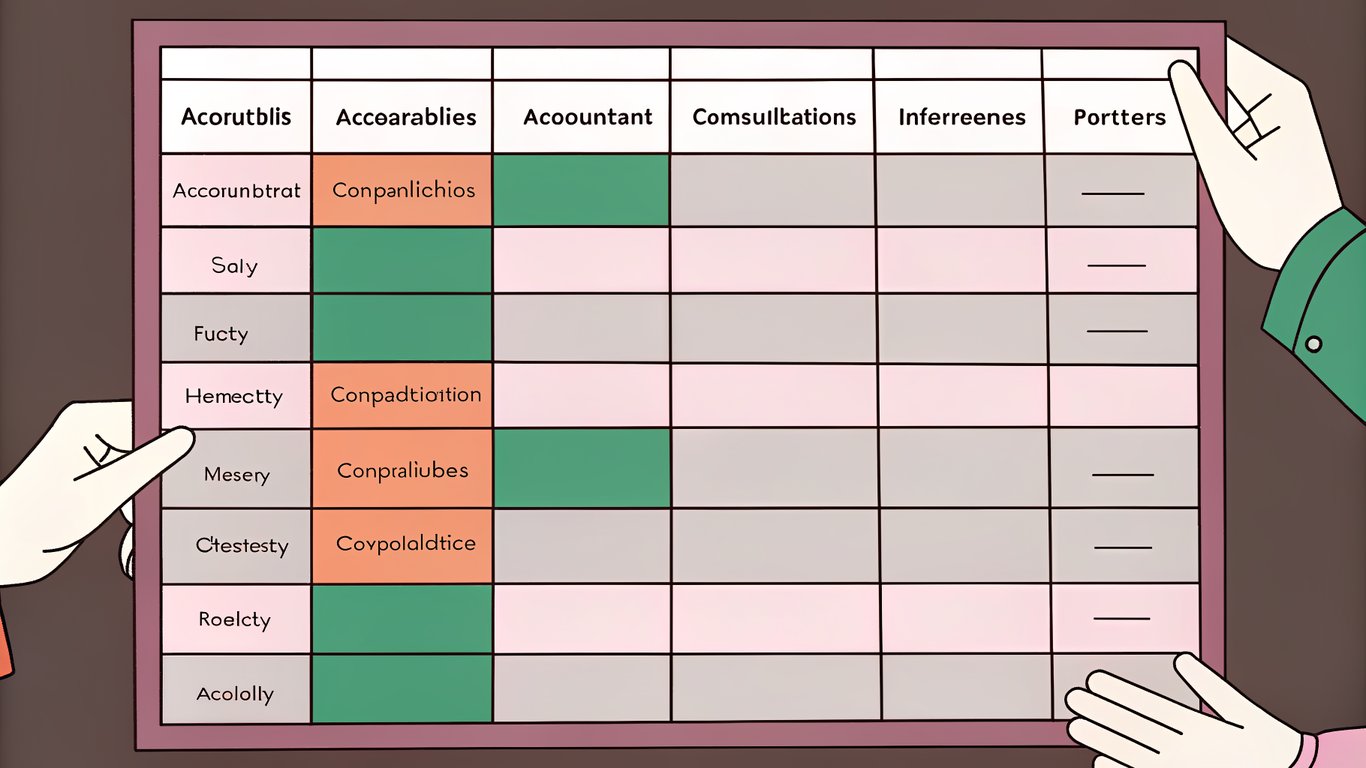
| Workflow Stage | Responsible | Accountable | Consulted |
|---|---|---|---|
| Strategy & Planning | Content Strategist | Marketing Director | SME/Writer |
| Research & Ideation | AI Specialist + Writer | Content Strategist | Editor |
| Content Creation | Writer + AI | Content Strategist | SME |
| Quality Assurance | Editor | Content Strategist | Writer |
| Optimization | AI Specialist | Content Strategist | SEO Lead |
Critical Handoff Points: Ensuring Seamless Transitions
Most content workflow breakdowns happen during transitions between stages. These handoff protocols prevent miscommunication and lost context.
Handoff #1: Strategy to AI Execution
Translating strategic intent into AI-actionable instructions requires detailed creative briefs. Your brief should include target audience specifics, desired tone and voice, key messages to convey, content structure preferences, and examples of what good looks like.
The more context you provide upfront, the better AI's output. Vague prompts produce vague content.
Handoff #2: AI Draft to Human Editor
Establish a standardized review process so editors know exactly what to check. Use annotation systems that flag different issue types (factual errors, tone problems, generic phrasing). Create feedback loops where common AI mistakes get documented and addressed in future prompts.
Handoff #3: Editing to Final Approval
Version control becomes critical here. Use clear naming conventions, track changes systematically, and document approval decisions. This prevents the endless revision cycle where stakeholders keep requesting changes without clear resolution.
Communication Protocols & Tools
Project management tools like Asana, Trello, or Monday.com help track content through each stage. Documentation standards ensure everyone knows where to find briefs, drafts, and feedback. Establish which communication channels to use for different purposes (Slack for quick questions, email for formal approvals, project management tools for status updates).
Handoff Checklist Template
Before moving content to the next stage, verify you've transferred all necessary information:
- Creative brief with strategic context
- Target audience details and pain points
- Brand voice guidelines and examples
- SEO requirements and target keywords
- Deadline and priority level
- Relevant research and source materials
- Previous feedback or revision notes
Quality Assurance Framework: The 4-Layer QA System
AI-assisted content requires more rigorous quality control than traditional content. This four-layer system catches issues at different levels.
Layer 1: AI Output Validation
Immediately check AI-generated content for hallucinations (made-up facts), factual accuracy, adherence to your prompt, and technical errors. This first pass happens right after AI generation, before significant editing time gets invested in flawed content.
Layer 2: Brand & Voice Alignment
Evaluate whether the content sounds like your brand. Check tone consistency, messaging alignment, style guide compliance, and whether the content reflects your brand's personality. AI often produces competent but generic writing that needs humanization.
Layer 3: Content Quality & Value
Ask whether this content actually helps your audience. Does it provide original insights or just rehash common knowledge? Is it specific and actionable or vague and theoretical? Would someone bookmark this or recommend it to a colleague?
Layer 4: Technical & SEO Review
Check keyword integration (natural, not forced), readability scores, heading structure, metadata optimization, internal linking opportunities, and formatting consistency. This layer ensures content performs well in search while remaining reader-friendly.
QA Checklist & Scoring Rubric
Create specific pass/fail criteria for each quality layer. For example, any factual error is an automatic fail requiring revision. Brand voice misalignment might be acceptable for minor issues but require rework for major problems. Establish minimum scores content must achieve before publication.
Realistic Turnaround Times: Benchmarks & Timeline Templates
Understanding realistic timelines helps you plan capacity and set stakeholder expectations. These benchmarks assume a functioning human+AI content workflow.
Content Type Timeline Matrix
| Content Type | Traditional Timeline | Human+AI Timeline | Time Saved |
|---|---|---|---|
| Blog Post (800-1200 words) | 3-5 days | 1-2 days | 60% |
| Long-form Article (2000+ words) | 1-2 weeks | 3-5 days | 50% |
| Social Media Content (10 posts) | 2-3 days | 4-6 hours | 75% |
| Email Campaign | 3-4 days | 1-2 days | 50% |
| White Paper | 3-4 weeks | 1-2 weeks | 50% |
Time Allocation by Workflow Stage
For a typical blog post in a human+AI workflow, expect to spend roughly 15% on strategy and planning, 20% on research and ideation, 30% on content creation, 25% on quality assurance and editing, and 10% on optimization and distribution.
These percentages shift based on content complexity. Technical content requires more research time. Brand-sensitive content needs more QA. Adjust your planning accordingly.
Factors That Impact Turnaround Time
Several variables affect how quickly you can produce content. Team proficiency with AI tools improves over time. Content complexity (technical topics take longer). Number of review cycles and stakeholders involved. Availability of subject matter experts. Quality standards (higher bars require more time).
Speed vs. Quality Trade-offs
Sometimes speed matters more than perfection. Timely content about trending topics might justify lighter QA. Evergreen cornerstone content deserves more rigorous review. Establish clear criteria for when to prioritize speed and when quality can't be compromised.
Production Calendar Template
Build your editorial calendar with realistic timelines built in. Include milestone tracking for each workflow stage, capacity planning to prevent overload, and buffer time for unexpected revisions. This prevents the optimistic scheduling that leads to constant deadline stress.
Implementation Guide: Getting Your Team Started
Moving from your current workflow to a human+AI collaboration model requires thoughtful implementation. Here's a practical roadmap.
Phase 1: Audit Your Current Content Workflow
Map your existing process from ideation to publication. Identify where bottlenecks occur, which tasks consume disproportionate time, and where quality issues typically emerge. This baseline helps you measure improvement and target AI integration where it'll have the biggest impact.
Phase 2: Select and Test AI Tools
Don't commit to expensive AI tools before testing them with real content projects. Run small pilots with tools like ChatGPT, Claude, or specialized content platforms. Evaluate based on output quality, ease of use, integration with existing tools, and cost-effectiveness.
Phase 3: Train Your Team
Invest in training before full rollout. Cover AI literacy basics, prompt engineering techniques, quality standards for AI-assisted content, and how the new workflow differs from current processes. Address concerns about job security directly and honestly.
Phase 4: Launch Pilot Content Projects
Start with low-risk content types. Blog posts work well for pilots. Define clear success metrics (time saved, quality maintained, team satisfaction). Collect detailed feedback from everyone involved. Use these learnings to refine your workflow before scaling.
Phase 5: Scale and Optimize
Gradually expand to more content types and higher volumes. Build a library of effective prompts and templates. Document what works and what doesn't. Continuously refine based on performance data and team feedback.
Common Implementation Challenges & Solutions
Expect resistance from team members worried about AI replacing them. Address this by emphasizing how AI handles tedious tasks so they can focus on creative and strategic work. Quality concerns are valid, which is why the four-layer QA system is essential. Tool integration issues often require IT support, so involve them early.
Download Your Free Human+AI Content Workflow Template Pack
These templates give you a head start on implementation. Customize them for your team's specific needs rather than using them as-is.
What's Included in the Template Pack
The complete template pack includes workflow diagrams showing each stage and handoff point, RACI matrices for role clarity, QA checklists for each quality layer, timeline calculators for different content types, handoff protocols with required information, and prompt libraries for common content needs.
How to Customize the Templates
Start by adjusting role definitions to match your team structure. Smaller teams might combine roles. Modify timeline benchmarks based on your content complexity and quality standards. Adapt QA criteria to reflect your brand requirements. Add or remove workflow stages as needed.
Measuring Success: KPIs to Track
Track metrics that matter: content production volume, average turnaround time per content type, quality scores from your QA rubric, team satisfaction and burnout indicators, content performance (traffic, engagement, conversions), and cost per piece of content. Compare these to your pre-AI baseline.
Next Steps and Continuous Improvement
This workflow isn't static. AI capabilities evolve rapidly, so stay informed about new tools and techniques. Collect ongoing feedback from your team about what's working and what's frustrating. Review and update your processes quarterly. Build institutional knowledge by documenting lessons learned and best practices.
The goal isn't perfection from day one. It's building a sustainable content workflow that produces quality content efficiently while keeping your team engaged and growing. Start small, measure results, and iterate based on what you learn.