

You've probably heard the warnings. AI content will tank your rankings. Google hates it. You'll get penalized.
Here's what's actually happening: thousands of websites are using AI tools to create content, and many are asking the same question. Is AI content duplicate content?
The short answer? Not inherently. But there's more to it than that.
The Rise of AI Content Creation
AI writing tools have gone from experimental tech to everyday business tools in just a few years. Companies are publishing more content than ever before, and many are using AI to help them do it.
The problem? When everyone uses similar tools with similar prompts, they often get similar results. That's where the duplicate content concerns come in.
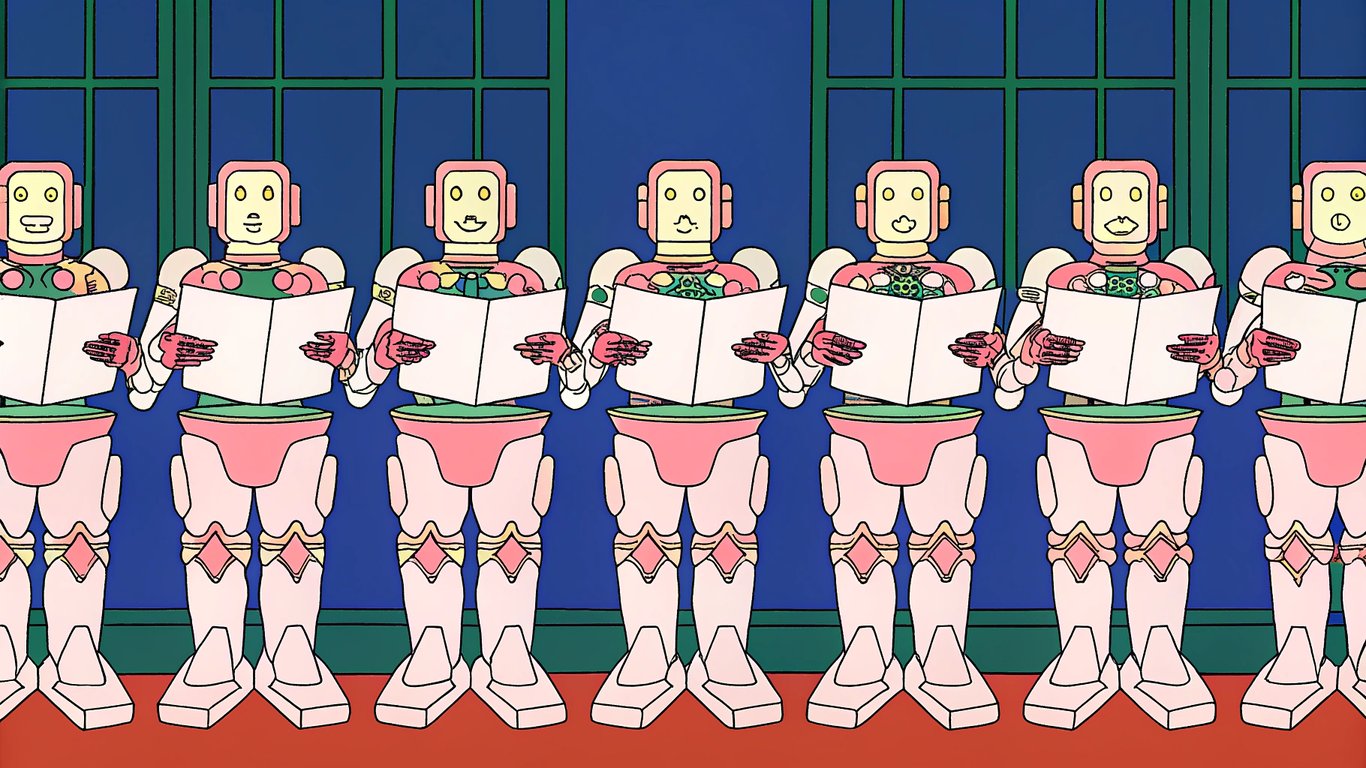
But the real issue isn't the AI itself. It's how people are using it.
Why This Question Matters for Your SEO Strategy
If you're creating content for your website, you need to know whether your approach will help or hurt your search visibility. Getting this wrong means wasted time, wasted money, and content that doesn't rank.
Understanding the relationship between AI content and duplicate content helps you make smarter decisions about your content strategy. You'll know when AI can speed up your workflow and when you need to add more human expertise.
What is Duplicate Content? A Clear Definition
Before we can answer whether is ai content duplicate content, we need to understand what duplicate content actually means.
Duplicate content is when the same or substantially similar content appears on multiple URLs. This can happen within your own website or across different websites.
Types of Duplicate Content
Internal duplicate content happens when your own website has multiple pages with the same or very similar content. This might be product descriptions that appear on multiple category pages, or blog posts that accidentally cover the same topic.

External duplicate content occurs when content from your site appears on other websites, or vice versa. Sometimes this is intentional (like syndicated content), but often it's not.
Near-duplicate content is trickier. It's content that's similar enough to be considered duplicate, even if it's not word-for-word identical. This is where AI content often runs into problems.
How Search Engines Handle Duplicate Content
Here's something important: Google doesn't have a duplicate content penalty. That's a myth that won't die.
What Google does instead is filter duplicate content. When they find multiple pages with the same content, they pick one version to show in search results and filter out the rest. You're not penalized, but you might not rank for the content you created.
The exception? If Google thinks you're deliberately manipulating search rankings with duplicate content, that's a different story. But for most websites, duplicate content is just a filtering issue, not a penalty.
When Duplicate Content Actually Hurts Your SEO
Duplicate content causes problems when it confuses search engines about which page to rank. If you have five pages with similar content about the same topic, Google has to choose one. And it might not choose the one you want.
It also dilutes your authority. Instead of having one strong page that ranks well, you have multiple weak pages competing with each other.
Is AI Content Duplicate Content? The Direct Answer
AI content isn't automatically duplicate content just because it was created by AI. The creation method doesn't matter to search engines.
What matters is whether the content is unique, valuable, and helpful to readers.
Google's Official Position on AI-Generated Content
Google has been clear about this: they don't care how content is created. They care about quality. Their guidelines focus on whether content is helpful, reliable, and created for people rather than search engines.
The company's stance is that AI can be a useful tool for creating content, just like any other tool. But the content still needs to meet their quality standards.
When AI Content Becomes Duplicate Content
AI content becomes duplicate when multiple websites use the same prompts and get similar outputs. If you and fifty other websites all ask an AI tool to write about the same topic in the same way, you'll probably get similar results.
This is especially common with generic prompts like 'write an article about email marketing tips.' The AI draws from similar training data and produces similar content patterns.
AI-generated content can also be flagged as duplicate if it follows repetitive patterns across your own website. If every article has the same structure, similar phrasing, and predictable conclusions, search engines might see them as too similar.
The Key Difference: Quality vs. Creation Method
The real question isn't whether you used AI. It's whether you created something unique and valuable.
You can use AI and still create completely original content by adding your expertise, data, and perspective. Or you can write everything by hand and still create duplicate content if you're just rehashing what everyone else has already said.
Why AI Content Can Trigger Duplicate Content Issues

AI content is more susceptible to duplication problems for specific technical reasons. Understanding these helps you avoid them.
Repetitive Patterns in AI-Generated Text
AI models are trained on massive amounts of text, and they learn patterns from that training data. When you give similar prompts to the same AI model, it tends to produce similar patterns in the output.
This means thousands of people using the same AI tool might get content with similar structures, similar transitions, and similar ways of explaining concepts. The words might be different, but the patterns are recognizable.
The Problem with Generic AI Prompts
When you use basic prompts, you get basic results. And so does everyone else using those same basic prompts.
Generic prompts like 'write about social media marketing' or 'explain SEO basics' produce content that mirrors what thousands of other websites are creating. The AI doesn't have unique insights or experiences to draw from, so it synthesizes common information in common ways.
Cross-Site AI Content Duplication
This is where things get messy. Multiple websites using the same AI tools with similar prompts create near-identical content. Search engines see this content appearing across different domains and have to decide which version to show.
The website with stronger authority typically wins. If you're a newer site competing against established competitors, your AI-generated content might get filtered out even if you published it first.
AI Content Detection and Its Implications
Detection tools exist that claim to identify AI-generated content. These tools look for patterns typical of AI writing, like consistent sentence structure, predictable word choices, and lack of personal voice.
While these tools aren't perfect, they highlight an important point: AI content often has detectable patterns. And if detection tools can spot these patterns, search engines probably can too.
How to Make AI Content Unique and Avoid Duplication
The good news? You can use AI and still create completely unique content. It just requires more work than hitting generate and publishing.
Add Your Expertise and Original Data
The best way to make AI content unique is to add information that only you have. This might be your personal experience, case studies from your business, or original research you've conducted.
AI can't replicate your specific experiences or proprietary data. When you incorporate these elements, your content becomes genuinely unique regardless of how the initial draft was created.
Customize and Edit AI Output Extensively
Don't publish AI output as-is. Use it as a starting point, then rewrite sections, add examples, change the structure, and inject your voice.
Substantial editing transforms generic AI content into something unique. Change the introduction completely. Reorganize the main points. Add specific examples from your industry. Cut the generic advice and replace it with actionable specifics.
Use AI as a Starting Point, Not the Final Product
Think of AI as a research assistant or outline generator, not a replacement for human expertise. Let it help you organize your thoughts, suggest angles you hadn't considered, or draft sections that you'll heavily revise.
This workflow keeps you in control while still benefiting from AI's speed and efficiency.
Implement Unique Perspectives and Brand Voice
Your brand voice is what makes your content recognizable. AI typically produces neutral, professional content that sounds like it could come from anywhere.
Infuse your content with your perspective. Take a stance on controversial topics. Share opinions. Use language that reflects your brand personality. These elements make your content distinctive.
Combine Multiple Sources and Synthesize Information
Use AI to help you research and compile information from multiple sources, then create your own synthesis and analysis. This approach gives you unique insights that AI alone can't provide.
The synthesis is where value lives. Anyone can summarize existing information, but connecting ideas in new ways requires human thinking.
Tools and Methods to Check for Duplicate Content
You can't fix duplication problems if you don't know they exist. These tools help you identify issues before they hurt your rankings.
Duplicate Content Detection Tools
Google Search Console shows you which pages Google is indexing and can reveal duplicate content issues. Look for pages that aren't being indexed or are being filtered out.
Screaming Frog crawls your website and identifies duplicate title tags, meta descriptions, and content. It's particularly useful for finding internal duplication.
Semrush and similar SEO platforms include duplicate content checkers that scan your site and compare it against other websites.
Copyscape specifically checks whether your content appears elsewhere on the web, which is useful for identifying external duplication.
How to Audit Your Content for Duplication
Start by crawling your entire website with a tool like Screaming Frog. Look for pages with identical or very similar title tags and meta descriptions, as these often indicate duplicate content.
Then check a sample of your content in Copyscape or similar tools to see if it appears elsewhere online. Pay special attention to any content you created with AI.
Finally, review your Google Search Console data for pages that aren't being indexed or have low impressions despite being published. These might be getting filtered due to duplication.
Best Practices for Using AI Content in 2026
AI isn't going anywhere. The question is how to use it responsibly and effectively.
The E-E-A-T Framework for AI Content
Google's E-E-A-T framework stands for Experience, Expertise, Authoritativeness, and Trustworthiness. Your AI content needs to demonstrate all four.
Experience means showing you've actually done what you're writing about. Add personal anecdotes, specific examples from your work, and lessons you've learned.
Expertise is about demonstrating deep knowledge. Go beyond surface-level information and provide insights that only someone with real expertise would know.
Authoritativeness comes from being recognized as a credible source. Link to authoritative sources, cite your credentials, and build a reputation over time.
Trustworthiness means being accurate, transparent, and reliable. Fact-check everything, correct mistakes quickly, and be honest about limitations.
Balancing Quantity and Quality
AI makes it tempting to publish massive amounts of content. But more content doesn't always mean better results.
Focus on creating fewer pieces of genuinely valuable content rather than flooding your site with mediocre AI-generated articles. Learning how to ensure AI content quality helps you strike this balance. Quality still beats quantity, especially as search engines get better at identifying thin content.
Common Mistakes to Avoid
- Publishing AI content without substantial editing or customization
- Using the same prompts repeatedly across multiple articles
- Ignoring your brand voice and letting AI's neutral tone dominate
- Failing to add original research, data, or expertise
- Not fact-checking AI-generated information
- Creating content on topics you don't actually understand
- Optimizing for search engines instead of readers
- Neglecting to update and improve content over time
The Future of AI Content and SEO
Search engines are getting smarter about identifying quality content, regardless of how it's created. The websites that succeed will be those that use AI as a tool to enhance human expertise, not replace it. For more strategies, explore our AI content guides.
So is ai content duplicate content? Only if you use it poorly. AI content becomes duplicate when you rely on generic prompts, skip the editing process, and publish without adding your unique perspective and expertise.
But when you use AI thoughtfully—such as through a well-configured WordPress AI autoblogging system—it can help you create unique, valuable content faster than ever before. The key is remembering that AI is a starting point, not a shortcut. Your expertise, experience, and perspective are what make content truly unique.
Start by auditing your existing content for duplication issues. Then develop a workflow that uses AI to speed up research and drafting while keeping human expertise at the center. Add your data, your experiences, and your voice to everything you publish.
That's how you create content that ranks well and actually helps your readers, whether you use AI or not.