

You type "best coffee maker" into Google. Are you ready to buy one right now? Or are you just starting to research options? Maybe you're looking for reviews, or perhaps you want to understand what makes a coffee maker "good" in the first place.
That underlying reason behind your search is what we call search intent.
Here's the thing: Google's gotten really good at figuring out what you actually want, not just what you typed. In 2026, if your content doesn't match what searchers are looking for, it won't rank. Period. It doesn't matter how many keywords you stuff in there or how many backlinks you've built.

Understanding search intent isn't just an SEO tactic anymore. It's the foundation of creating content that actually helps people and, as a result, performs well in search results.
What is Search Intent? A Clear Definition
Search intent is the goal or purpose behind someone's search query. It's the "why" behind the "what."
When someone searches for something, they're trying to accomplish a specific task. They might want to learn something new, find a particular website, buy a product, or compare different options before making a decision. That underlying motivation is their search intent.
Think of it this way: the words someone types are just the surface. The real question is what they're hoping to achieve with those words.
Search Intent vs. Keywords: Understanding the Difference
Keywords and search intent aren't the same thing, even though they're closely related.
Keywords are the actual words and phrases people type into search engines. Search intent is what they're trying to accomplish by typing those words.

Here's a practical example: someone searching for "running shoes" could have completely different intentions. One person might be ready to buy a pair right now. Another might want to learn about different types of running shoes. A third person might be looking for reviews to help them decide which brand to choose.
Same keyword. Three different intents. And Google will show different results depending on which intent it thinks is most common for that specific query.
How Google Search Intent Works
Google uses machine learning and AI to interpret what searchers actually want. It looks at patterns in how people search, what results they click on, how long they stay on pages, and whether they come back to search again.
When you search for something, Google's algorithms analyze your query and compare it to billions of previous searches. They're trying to predict which type of content will best satisfy your need.
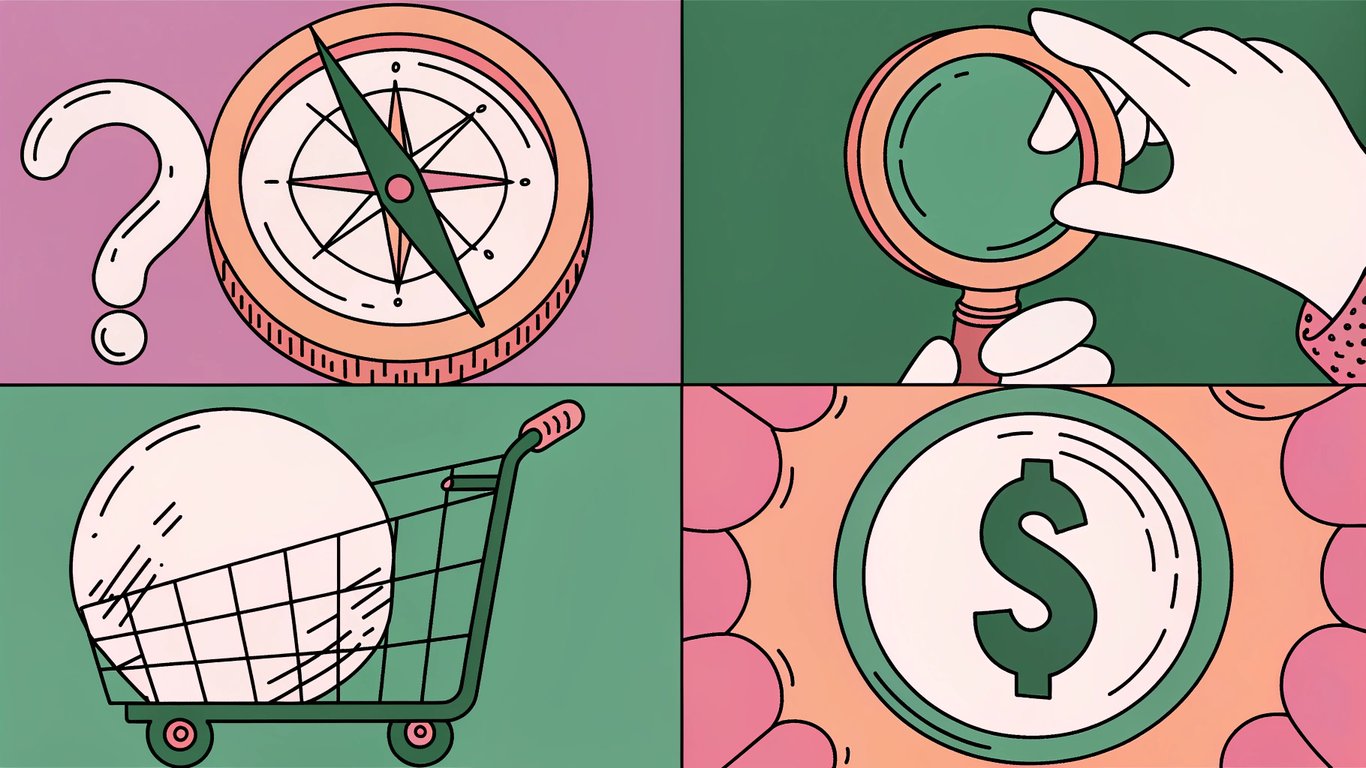
That's why you'll see different types of content ranking for different queries, even if the keywords seem similar. Google's learned what works for each specific intent.
The search engine also considers context like your location, search history, and even the time of day. But the core factor is always intent: what does this person want to accomplish?
The 4 Main Types of Search Intent
Search intent typically falls into four main categories. Understanding these helps you create content that actually matches what people need.
Informational Intent: Seeking Knowledge
Informational searches happen when someone wants to learn something or find an answer to a question. They're not looking to buy anything or go to a specific website. They just want information.
Common patterns for informational queries include:
- Questions starting with "how to," "what is," "why does," or "when should"
- Searches for definitions, explanations, or tutorials
- Queries about facts, statistics, or general knowledge
- Research-oriented searches without buying signals
For example, "what is search intent" is clearly informational. The person wants to understand the concept, not buy a product or visit a specific site.
Content that satisfies informational intent usually includes blog posts, guides, tutorials, videos, and educational articles. Google often shows featured snippets or AI overviews for these queries because they can quickly answer the question.
Navigational Intent: Finding a Specific Destination
Navigational searches happen when someone wants to reach a particular website or page. They're using Google as a shortcut instead of typing the full URL.
Think about searches like "Facebook login," "YouTube," or "Amazon customer service." The person knows exactly where they want to go. They're just using search to get there faster.
Brand searches fall into this category too. When someone searches for a specific company name, they're usually trying to find that company's website or a specific page on it.
For navigational queries, Google typically shows the target website at the top of results, often with sitelinks to important pages. There's not much you can do to rank for someone else's brand name, and honestly, you shouldn't try.
Transactional Intent: Ready to Take Action
Transactional searches indicate someone's ready to complete an action, usually a purchase. These are high-value queries because the person is further along in their decision-making process.
You can spot transactional intent through keywords like:
- "Buy," "purchase," "order," or "subscribe"
- "Discount," "coupon," or "deal"
- "Download" or "get"
- Specific product names with buying modifiers
A search like "buy running shoes online" shows clear transactional intent. The person's not researching anymore. They're ready to make a purchase.
Google shows product pages, e-commerce sites, and shopping results for these queries. If you're trying to rank an informational blog post for a transactional keyword, you're probably going to struggle.
Commercial Investigation: Research Before Buying
Commercial investigation sits between informational and transactional intent. The person's planning to buy something eventually, but they're still comparing options and doing research.
These searches often include words like "best," "top," "review," "vs," or "comparison." Someone searching for "best laptops 2026" or "iPhone vs Samsung" is in this phase.
They want information, but it's specifically information that helps them make a buying decision. They're looking for reviews, comparisons, recommendations, and pros and cons.
Content that works well for commercial investigation includes comparison articles, review roundups, buying guides, and detailed product analyses. This is where you can provide real value by helping people make informed decisions.
Why Search Intent Matters: The Impact on Your Success
Understanding search intent isn't just theoretical. It has concrete effects on your rankings, traffic, and business results.
Search Intent and SEO Rankings
Google's primary goal is to satisfy searchers. When someone searches for something, Google wants to show them the most relevant, helpful result possible.
That means google search intent is now one of the most important ranking factors. If your content doesn't match what searchers want, it won't rank well, regardless of your other SEO efforts.
You could have perfect technical SEO, tons of backlinks, and all the right keywords. But if someone searching for "how to tie a tie" lands on your page trying to sell ties, they'll bounce immediately. Google notices that pattern and stops showing your page.
The algorithm has gotten sophisticated enough to understand context and meaning. It's not just matching keywords anymore. It's matching intent.
User Experience and Engagement Metrics
When your content matches search intent, people stick around. They read more, click through to other pages, and don't immediately return to Google to try a different result.
These engagement signals matter. Google tracks metrics like bounce rate, time on page, and pogo-sticking (when someone clicks a result, quickly returns, and clicks a different one). These behaviors tell Google whether your content satisfied the searcher's intent.
Good engagement creates a positive feedback loop. When people find your content helpful, they engage with it. Google sees that engagement and ranks you higher. More people find your content, and the cycle continues.
Bad engagement does the opposite. If people consistently bounce from your page, Google interprets that as a sign your content doesn't match what searchers want.
Conversion Rates and Business Goals
Matching search intent doesn't just help with rankings. It brings you more qualified traffic that's actually interested in what you offer.
If you're selling a product and you rank for transactional keywords, you'll get visitors who are ready to buy. If you rank for informational keywords with product pages, you'll get traffic that's not ready to convert yet.
Neither approach is wrong. They just serve different purposes. The key is aligning your content type with the intent of the keywords you're targeting.
Some businesses make the mistake of only creating transactional content. But informational content can be valuable too. It builds awareness, establishes expertise, and brings people into your ecosystem earlier in their journey.
The Evolution: AI Overviews and Featured Snippets
Search results have changed dramatically. AI overviews, featured snippets, and other SERP features now appear for many queries, especially informational ones.
These features pull information directly from web pages and display it at the top of results. Sometimes people get their answer without even clicking through to a website.
This makes intent-matching even more critical. If you want to appear in these prominent positions, your content needs to directly and clearly answer the searcher's question. You need to understand exactly what they're asking and provide a concise, accurate answer.
The competition for visibility has intensified. You're not just competing with other websites anymore. You're competing with AI-generated summaries and featured content blocks.
How to Identify Search Intent for Any Keyword
Figuring out search intent isn't always obvious, but there are reliable methods you can use.
Analyzing Google Search Results
The easiest way to determine intent is to look at what's already ranking. Google's already done the work of figuring out what searchers want for that query.
Search for your target keyword and examine the top 10 results. What type of content is ranking? Are they blog posts, product pages, videos, or comparison articles?
Look at the format and structure too. Are the top results long-form guides or quick answers? Do they include lists, tables, or step-by-step instructions?
If all the top results are product pages, that's a transactional query. If they're all how-to guides, it's informational. If they're comparison articles and reviews, it's commercial investigation.
This method works because Google's algorithm has already analyzed millions of user interactions to determine what content best satisfies that specific query.
Reading Intent Signals in Keywords
Certain words and phrases signal specific types of intent. Learning to recognize these patterns helps you quickly categorize keywords.
Intent Type | Common Keywords | Example Queries |
|---|---|---|
Informational | how to, what is, why, guide, tutorial | how to change a tire, what is SEO |
Navigational | brand names, login, website name | Facebook login, Nike official site |
Transactional | buy, purchase, order, discount, deal | buy iPhone 15, order pizza online |
Commercial | best, top, review, vs, comparison | best laptops 2026, iPhone vs Samsung |
These patterns aren't absolute rules, but they're reliable indicators. A keyword with "how to" is almost always informational. A keyword with "buy" is almost always transactional.
Pay attention to modifiers too. Words like "cheap," "affordable," or "near me" add context that affects intent.
Using SEO Tools to Determine Intent
Many SEO tools now include intent classification features. They analyze search results and keyword patterns to categorize intent automatically.
Tools like Ahrefs, Semrush, and others can show you intent data for thousands of keywords at once. This is helpful when you're doing keyword research at scale.
But don't rely solely on automated classifications. Tools can make mistakes, especially with ambiguous queries. Always verify by manually checking the search results.
Understanding Mixed Intent Queries
Some queries have multiple valid intents. Different searchers using the same keywords might want different things.
For example, "running shoes" could be informational (someone learning about types of running shoes), commercial (someone comparing brands), or transactional (someone ready to buy).
When you see mixed intent in search results, with different types of content ranking, you have options. You can create comprehensive content that addresses multiple intents, or you can focus on the dominant intent and create separate content for the others.
Look at which intent seems to dominate the top results. That's probably the safest bet for your primary content approach.
How to Optimize Your Content for Search Intent
Once you understand intent, you need to create content that actually satisfies it.
Matching Content Format to Intent
Different intents require different content formats. Using the wrong format is one of the fastest ways to fail at matching intent.
For informational intent, create blog posts, guides, tutorials, or videos that educate and explain. Make them comprehensive but accessible.
For navigational intent, you can't really optimize unless it's your own brand. Just make sure your website is easy to find and navigate.
For transactional intent, use product pages, service pages, or landing pages optimized for conversion. Include clear calls-to-action, pricing information, and easy purchase paths.
For commercial investigation, create comparison articles, review roundups, buying guides, or detailed product analyses. Help people make informed decisions by presenting options clearly.
Structuring Content to Meet User Needs
How you organize information matters as much as what information you include.
For informational content, use clear headings that outline what you'll cover. Break complex topics into digestible sections. Include examples and explanations that build on each other logically.
For commercial investigation content, make comparisons easy to scan. Use tables, bullet points, and clear pros and cons. Don't bury important information in long paragraphs.
For transactional content, remove friction. Make it obvious what you're offering, how much it costs, and how to buy it. Don't make people hunt for basic information.
Think about the user's mindset. Someone with informational intent has time to read and learn. Someone with transactional intent wants to complete their task quickly.
Optimizing Existing Content for Better Intent Alignment
You probably have content that's targeting the wrong intent or missing the mark. Here's how to fix it.
First, audit your content. For each page, identify what keyword it's targeting and what intent that keyword has. Then honestly assess whether your content matches that intent. Your SEO plugin's focus keyword field can help with this process—our selecting focus keywords explains how to set and optimize these effectively.
If you have an informational blog post ranking for a transactional keyword, you have two options: rewrite it as a product page, or target a different, more appropriate keyword.
Sometimes the fix is simple. Maybe your content matches intent but doesn't answer the question clearly enough. Add a direct answer near the top. Restructure your headings to better match what people are looking for.
Other times you need a complete rewrite. That's okay. It's better to have content that works than content that doesn't.
Common Mistakes to Avoid
Here are mistakes I see people make repeatedly with search intent:
- Creating product pages for informational keywords, then wondering why they don't rank
- Writing long educational content for transactional keywords when people just want to buy
- Ignoring what's currently ranking and trying to force a different content type
- Assuming all keywords in a topic have the same intent
- Focusing only on high-volume keywords without considering intent fit
- Creating content for search engines instead of for actual people
The biggest mistake is probably treating all keywords the same. Intent varies dramatically even within a single topic area. You need to evaluate each keyword individually. This is why long-tail keywords often perform better—their specificity makes intent clearer and competition lower.
Real-World Examples of Search Intent in Action
Let's look at how search intent plays out in practice.
How Intent Changes Across the Customer Journey
Imagine someone who wants to start a podcast. Their search behavior evolves as they move through their journey.
Awareness stage: They search "what is podcasting" or "how to start a podcast." Pure informational intent. They're learning the basics.
Consideration stage: They search "best podcast microphones" or "podcast hosting platforms comparison." Commercial investigation intent. They're researching options.
Decision stage: They search "buy Blue Yeti microphone" or "Buzzsprout pricing." Transactional intent. They're ready to purchase.
If you only create content for one stage, you're missing opportunities to connect with people at other points in their journey. A complete content strategy addresses all these different intents.
Before and After: Content Optimized for Intent
Let's say you have a page targeting "email marketing software." Originally, it's a long blog post explaining what email marketing is and why it matters.
But when you check the search results, you see comparison articles and software directories ranking. The intent is commercial investigation, not pure information.
You restructure the content into a comparison guide. You add a table comparing popular platforms, include pros and cons for each, and provide clear recommendations for different use cases.
The result? Your rankings improve because your content now matches what searchers actually want. Engagement goes up because people find the information helpful. And you probably get more conversions too, because you're helping people make decisions.
That's the power of aligning content with search intent.
Making Search Intent Work for You
Search intent isn't complicated, but it requires a shift in thinking. Instead of asking "what keywords should I target," start asking "what are people trying to accomplish when they search for this?"
The search engines have evolved. They're not just matching words anymore. They're trying to understand meaning and satisfy needs. Your content strategy needs to evolve too.
Start by auditing your existing content. Identify intent mismatches and fix them. When you create new content, always check the search results first to understand what's working.
Remember that different intents serve different purposes. You need informational content to build awareness, commercial investigation content to help people decide, and transactional content to convert. Don't neglect any category.
Most importantly, focus on actually helping people. When you create content that genuinely satisfies what searchers need, the rankings tend to follow. That's not just good SEO advice. It's good business. For more optimization strategies, explore our complete WordPress SEO guide.